
-

Pig Hog PMID MIDI Cable
$11.95 - $16.95Built tough with high quality construction to last longer than other cables! These great midi cables from Pig Hog are a great choice for studio and live use....h m s
Skip to Content
Get FREE shipping on all orders!
Fast FREE shipping on all orders!
MIDI Cables

Keep Your Gear in Sync With MIDI Cables
MIDI doesn’t make sound on its own, but it’s the reason modern rigs work as smoothly as they do. A MIDI cable handles the behind-the-scenes communication that keeps keyboards, controllers, drum machines, and computers talking to each other. Notes, tempo changes, patch switches, clock data, it all rides on that connection.
At American Musical Supply, our MIDI cable selection is curated for real setups, from simple controller-to-interface links to full hardware rigs with multiple devices in play. You’ll find top options in the lengths and styles that make sense for studios, live rigs, and hybrid setups.
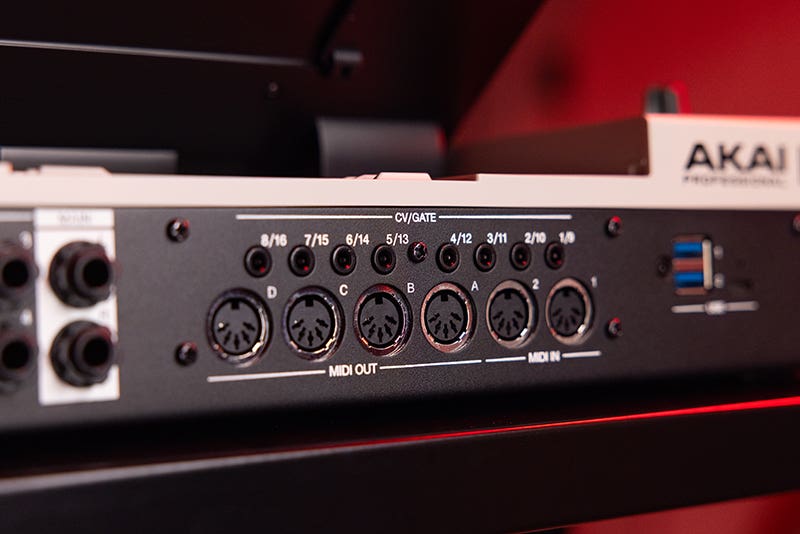
MIDI In, Out, and Thru Explained
Those three MIDI ports look simple, but knowing what each one does makes building a clean setup much easier. A MIDI cable only sends data in one direction at a time, which is why these ports matter.
Here’s how they work:
- MIDI In receives data coming from another device, like notes from a controller or clock information from a sequencer
- MIDI Out sends data generated by the device, such as key presses, tempo, or program changes
- MIDI Thru passes along an exact copy of whatever comes into MIDI In, sending it to the next device in the chain
Using these ports correctly lets one controller drive multiple instruments, keeps timing tight, and avoids signal confusion. Once you understand the flow, routing MIDI becomes logical instead of frustrating.
Connecting Hardware Synths, Controllers, and Interfaces with MIDI
MIDI cables make it easy to build flexible setups where hardware and software work together. Once you understand the basic signal flow, connecting gear becomes straightforward.
Connecting a MIDI Controller to an Interface
Use a MIDI cable to run from the controller’s MIDI Out to the MIDI In on your audio interface or MIDI interface. This lets the controller trigger virtual instruments, control parameters, and send timing data to your DAW without passing any audio.
Linking Synths and Sound Modules
Hardware synths and modules often use MIDI to receive note and control data from a keyboard or sequencer. Connect the controller’s MIDI Out to the synth’s MIDI In to play sounds, change patches, or automate parameters.
Chaining Multiple Devices
Many devices include MIDI Thru ports that pass incoming data along to the next piece of gear. This allows several instruments to share a single MIDI cable path while staying synchronized.
With the right routing, MIDI keeps everything talking smoothly.
What MIDI Cables Actually Transmit
A MIDI cable doesn’t carry audio. Instead, it sends instructions that tell your gear what to do and when to do it. That’s why MIDI setups stay flexible and easy to reconfigure, even when multiple devices are involved.
Here’s what typically travels through a MIDI cable:
- Note data, including which notes are played and released
- Velocity information that controls how hard or soft a note is triggered
- Tempo and clock signals that keep sequencers, drum machines, and effects in sync
- Program changes for switching presets, patches, or sounds
- Control messages for parameters like modulation, expression, and sustain
Because it’s all data, a single MIDI cable can control multiple devices without affecting audio quality.

Frequently Asked Questions About MIDI Cables
Can one MIDI cable control multiple devices?
Yes, using MIDI Thru ports allows data to pass through to additional devices in a chain.
Do MIDI cables work with all brands of gear?
Yes. MIDI is a universal standard designed for cross-brand compatibility.
Is MIDI timing affected by cable quality?
Poor connections or damaged cables can cause missed messages or timing issues in complex setups.
Keep Everything Talking With MIDI Cables From AMS
When timing, control, and sync matter, a solid MIDI cable keeps your setup running smoothly behind the scenes. Whether you’re linking a single controller or building out a full hardware rig, the right connection helps your gear respond exactly when it should. Browse our full selection of MIDI cables and wire up your system so every note, command, and tempo change lands right where you expect it.