Skip to Content
Get FREE shipping on all orders!
Fast FREE shipping on all orders!

Audio Cables






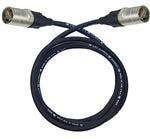
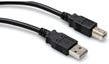
Find the Right Audio Cables for Your Rig
An audio cable might not be the flashiest piece of gear in your setup, but it plays a huge role in how everything comes together. From plugging in guitars to wiring up full live sound systems, the right cables keep your signal clean, quiet, and ready for whatever you throw at it.
At American Musical Supply, we stock audio cables for every stage, studio, and bedroom setup, so you can wire it once and stop worrying about it. Whether you’re chasing a cleaner signal, quiet performance, or cables tough enough to survive life in a gig bag, this is the place to start.

Signs It’s Time to Replace an Audio Cable
Audio cables usually fail quietly, then all at once. If your rig has started acting weird, there’s a good chance a worn audio cable is the culprit. These issues tend to creep in over time, especially if cables get coiled, stepped on, or tossed into a bag after every session.
Common red flags include:
- Crackling, popping, or random static when you move the cable
- Signal cutting in and out, especially near the connectors
- Unwanted hum or buzz that wasn’t there before
- Loose or wobbly plugs that no longer feel secure
- Visible wear, like frayed jackets or bent connectors
A failing audio cable can make even the best gear sound unreliable. Swapping it out early saves you from chasing phantom problems and keeps your setup running the way it should.
Explore Our Full Audio Cable Lineup
From simple signal paths to complex rigs, our audio cable selection covers every connection point you’ll run into. Here’s a closer look at the different cable types you’ll find at American Musical Supply and where they fit into your setup.
1/4 Inch Instrument Cables
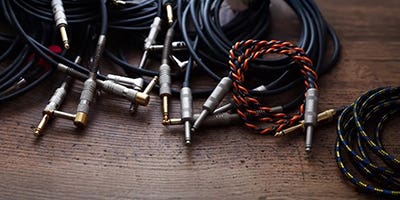
Built for guitars, basses, keyboards, and pedals, 1/4 instrument cables carry your instrument’s signal to amps, interfaces, and effects. Options range from compact patch lengths to longer stage-ready runs.
XLR Cables
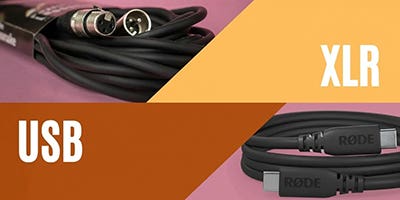
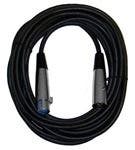
A staple for balanced audio connections, XLR cables are used with microphones, mixers, preamps, and powered speakers. They help keep your signal clean over longer distances.
Audio Snakes
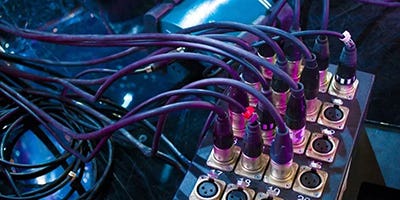
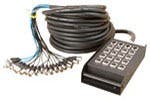
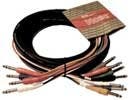
Snakes simplify stage and studio setups by combining multiple channels into a single run, making load-ins faster and cable management cleaner.
MIDI Cables
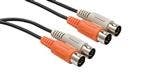
MIDI cables carry control data between keyboards, controllers, drum machines, and computers, keeping everything in sync without transmitting audio.
Digital Audio Cables
Used for digital signal paths like S/PDIF or AES connections, digital audio cables maintain signal integrity for modern recording and playback systems.
Pedalboard Cables
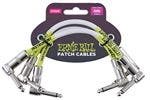
Low-profile pedalboard cables are made for connecting guitar effects pedals together, helping save space while keeping your signal path tight and dependable.
Cable Accessories
From adapters to couplers and cable management tools, cable accessories help solve connection issues and keep your rig organized.
& More
Don’t forget about specialty connections and hard-to-find solutions, so even oddball setups are covered.
How to Choose the Right Audio Cable Style and Length
Finding the right audio cable comes down to knowing what you’re connecting and how your setup lives day to day. A cable that works great in a studio rack might be a pain on stage, and the wrong length can turn a clean rig into a tangled mess fast.
Keep these factors in mind when choosing:
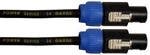
- Connection type you need, such as 1/4 inch, XLR, MIDI, or speaker
- Signal path, whether it’s instrument level, mic level, line level, or amplified
- Length required to move freely without excess slack underfoot
- Environment, including studio use, live gigs, or frequent travel
- Durability needs, especially for cables that get unplugged often
A properly sized audio cable keeps your signal solid and your setup easy to manage. When in doubt, measure your run and grab a little extra breathing room without going overboard.
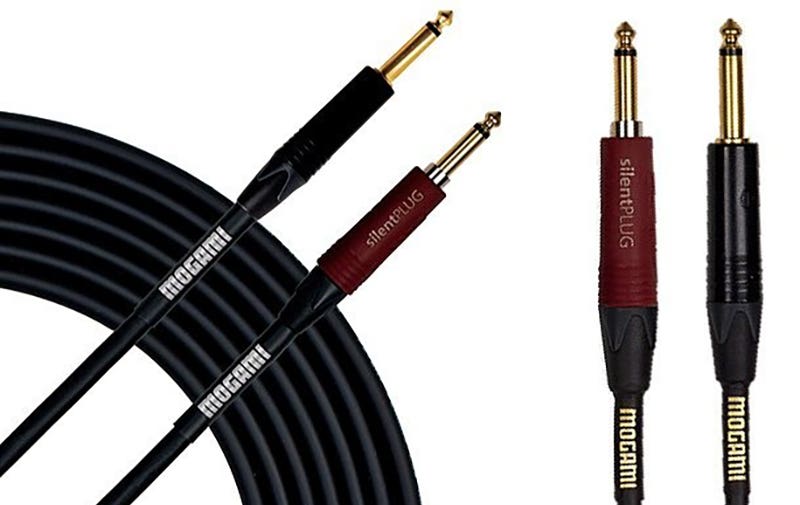
Frequently Asked Questions About Audio Cables
Can one audio cable be used for everything?
No. Instrument, microphone, speaker, and digital audio cables are designed for different signals and should not be swapped interchangeably.
How long do audio cables usually last?
That depends on build quality and how they’re used. Cables that are stepped on, tightly coiled, or frequently unplugged tend to wear out faster.
Are expensive audio cables worth it?
Higher-end cables often offer better shielding, connectors, and durability. For heavy use or critical applications, this can make a real difference over time.
Wire It Right With Audio Cables From AMS
A good cable won’t fix bad playing, but a bad one can absolutely wreck a great take. Clean signal flow, consistent performance, and fewer gremlins during a session all start with strong connections. Stock up once at AMS, wire your gear with confidence, and focus on the fun part of making noise. Browse our full selection of audio cables and get your setup connected the right way, from the first plug-in to the final note.