Skip to Content
Get FREE shipping on all orders!
Fast FREE shipping on all orders!
Studio & Recording Mixers
What are you looking for in a mixer? Plenty of input channels? Onboard equalization? Built-in reverb and effects? Programmable scenes and motorized faders? An integrated computer interface? From a simple analog level control to an automated digital console, American Musical Supply has the mixer you're after at a great price, and backed by the AMS Advantage. You might also be interested in Live Sound Mixers or DJ Mixers


Recording Studio Mixers: The Creative Control Center
A recording mixer earns its place by making studio work faster. Instead of juggling menus, plugins, and mouse clicks, a studio mixing board puts control right in front of you, where ideas turn into takes without breaking momentum. Whether you’re tracking music, recording vocals, or managing a full content workflow, having physical control over your session changes how it flows.
A good recording studio mixer is the hub of your setup. It lets you manage microphones, instruments, playback, and headphones in one place, whether you’re tracking music, recording a podcast, or running a live stream. Some creators want a compact studio mixing console that keeps things simple, while others might prefer a deeper setup that supports multitrack recording and flexible routing. Either way, AMS has the gear you need for your setup. Check out our entire collection today!
Recording Mixers vs. Audio Interfaces
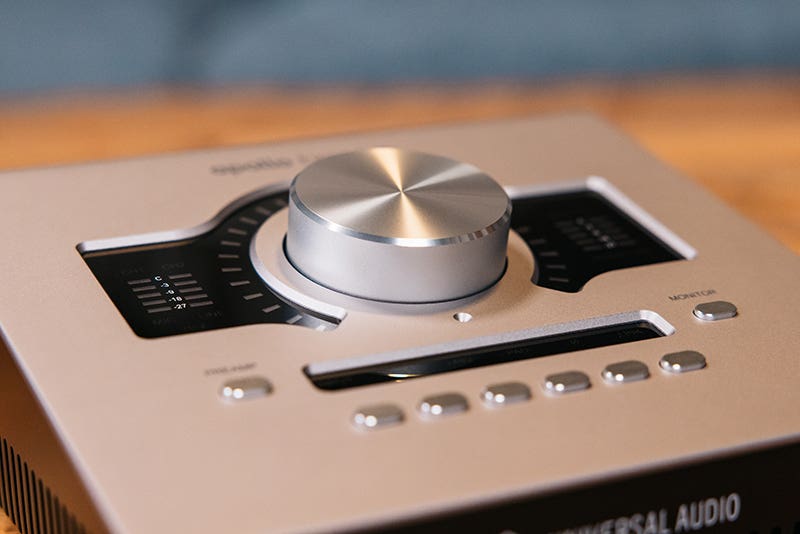
Many studio setups start with an audio interface, but a recording mixer offers a different way to work. The choice usually comes down to how hands-on you want your sessions to be and how often you record or stream.
- Audio Interfaces: These are streamlined and efficient, especially for solo recording. Most control happens on a screen, which works well if you’re comfortable mixing with a mouse and keyboard.
- Recording Mixers: A recording mixer or studio mixing console adds physical control back into the process. Faders, knobs, and dedicated monitoring paths make it easier to adjust levels, manage headphone mixes, and keep sessions flowing without stopping to click around.
If you’re recording regularly, working with multiple sources, or creating content that needs real-time monitoring, a studio mixing board can make sessions far more fluid.
Types of Recording Mixers and Where They Fit
Studio workflows aren’t all the same, so recording mixers tend to fall into a few clear categories based on how creators work today. Here’s how the main types show up in real setups.
Streaming Mixers
The best choice for creators who need to manage microphones, system audio, music, and chat all at once. Streaming mixers focus on quick level control, routing flexibility, and clean monitoring so you can stay live without juggling software windows.
Podcast Mixers
Designed for spoken-word production, podcast mixers make it easy to handle multiple microphones, headphones, and playback sources in one place. They’re especially useful when recording guests, interviews, or roundtable discussions where consistent levels matter.
USB Mixers
USB mixers bridge the gap between traditional hardware and computer-based recording. They function as both a recording-studio mixer and an audio interface, letting you capture audio directly into a DAW while maintaining hands-on control.
How to Build a Simple Studio Around a Recording Mixer
A recording mixer makes it easier to build a studio that feels organized instead of pieced together. Rather than juggling separate devices for every task, a mixer is the central hub that connects everything and keeps it accessible.
Here’s how a simple studio typically comes together around a recording studio mixer:
- Microphones and instruments plug directly into the mixer for quick level control
- Headphones connect for monitoring during tracking, streaming, or podcast sessions
- Studio monitors handle playback so you can switch easily between listening and recording
- A computer or DAW connects via USB to capture audio without extra routing
- External devices like phones or media players feed in cleanly for reference or playback
This keeps sessions moving and reduces friction. With a studio mixing console at the center, everything stays within reach and easy to manage.
Frequently Asked Questions About Recording Mixers
What’s the difference between a recording mixer and a live sound mixer?
Recording mixers are built for controlled studio environments, focusing on monitoring, routing, and computer connectivity. Live mixers prioritize fast adjustments and durability for onstage use.
Do recording mixers work with all DAWs?
Most modern recording mixers with USB connectivity work with popular DAWs. Compatibility usually depends on the operating system rather than the software itself.
Is a studio mixing console hard to learn?
Most are designed to be intuitive. Many users find physical controls easier to learn than software-only mixing.
Keep Your Studio Flowing With a Recording Mixer From AMS
A recording mixer brings everything together in a way that feels natural for studio work. From tracking music to producing podcasts or running a stream, having hands-on control keeps sessions moving and ideas intact. When your setup works with you instead of slowing you down, the difference is obvious.
American Musical Supply makes upgrading simpler with flexible payment plans that let you spread out the cost of a recording studio mixer without putting projects on hold. Browse our selection of recording mixers and find the studio mixing board that fits how you create today, with room to grow tomorrow.