Skip to Content
Get FREE shipping on all orders!
Fast FREE shipping on all orders!

Guitar Effects Pedals

American Musical Supply is home to a huge collection of guitar effects that touch on every corner of sound manipulation! From the legendary tone boxes that are a staple in countless setups to the newest offerings out there, we are here to help expand effects setups in every way possible. The best thing about building a pedal arrangement is the freedom to mix and match to your liking – our 0% interest payment plans make it easy to bundle multiple pedals, add a multi-effects device, or combine essentials together and enjoy one regular monthly payment. Get ready to take your guitar’s tone library in exciting new directions!


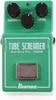
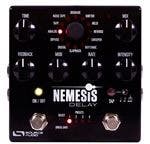
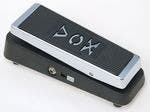
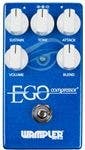
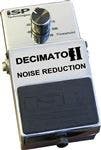
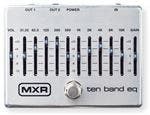
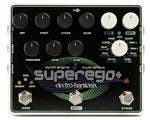

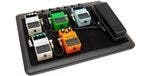
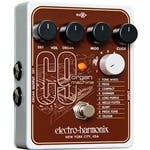
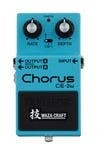
Expand Your Tone and Creativity With Guitar Effects Pedals From AMS
Every guitarist hits that point where a clean amp and a single tone just won’t cut it anymore. That’s where guitar pedals come in: the magic boxes that turn your rig into a playground of sound. At American Musical Supply, we carry guitar effects pedals for every kind of player, from the stompbox traditionalist chasing vintage overdrive to the sonic explorer stacking delays, reverbs, and synth textures. If you’re ready to expand your palette and make your guitar say more than words ever could, our lineup of pedals is the place to start.
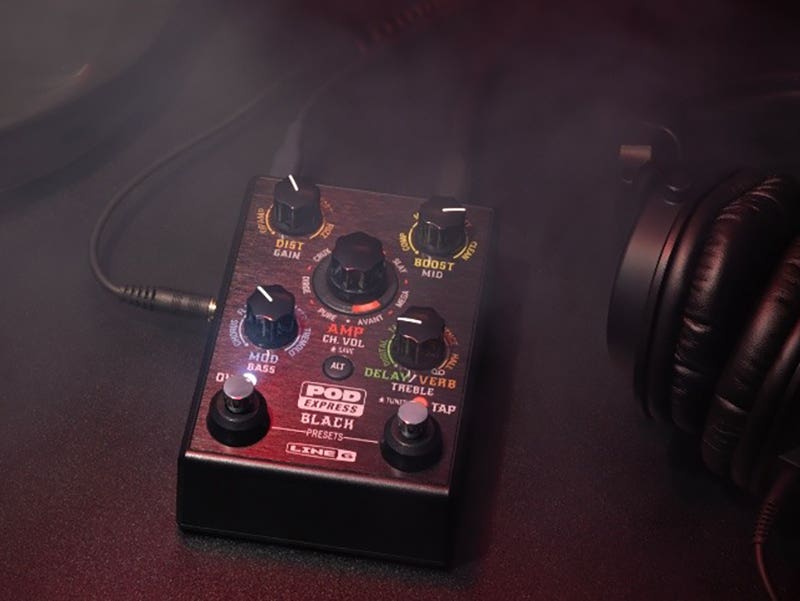
From Fuzz Boxes to Multi-FX: The Pedal Legacy
Guitar pedals have been shaping music since the early 1960s, when fuzz boxes and wah pedals first hit the scene. Those early effects inspired waves of rock, funk, and experimental sounds, and today’s guitar effects pedals carry that same spirit of innovation (only with way more options at your feet).
At American Musical Supply, you’ll find the legends and the newcomers all under one roof:
- Boss: Industry-standard stompboxes built for durability and tone.
- Electro-Harmonix: Quirky, iconic designs from Big Muff fuzz to POG octave magic.
- MXR: Compact pedals with classic rock cred and modern versatility.
- Dunlop: Famous for Cry Baby wahs and heavy-duty effects.
- Line 6: Multi-effects and modeling powerhouses for studio or stage.
AMS makes it easy to stack your board with history and innovation.
The Ultimate Pedal Primer: Quick Guide to Guitar Effects Pedals
With so many guitar pedals out there, shopping for one can feel like falling down a rabbit hole of knobs and stomp switches. This guide breaks down the main families of guitar effects pedals so you can lock in on the sounds that match your style.
Overdrive, Distortion, and Fuzz
Distortion pedals are the heart of rock guitar.
Overdrive pedals mimic the warm breakup of a tube amp pushed hard, giving you gritty crunch without losing note clarity. Fuzz pedals take things to the extreme, compressing and clipping your sound into a thick, woolly wall of sustain found in countless classic records, from Hendrix to the Smashing Pumpkins.
Dynamics and Volume Control
Dynamic pedals let you control the peaks and valleys of your sound.
Compressors smooth out uneven playing, add sustain, and give your tone polish in a mix. Noise gates cut hiss and hum, a lifesaver if you’re stacking gain pedals. Boost pedals lift your volume to help solos stand out, while volume pedals give you smooth swells and hands-free control of your overall level. Together, these pedals keep your sound tight and professional.
Wah-Wah Pedals
Few effects are as instantly recognizable as the wah.
Controlled by a rocking foot pedal, it sweeps a boosted frequency through your signal, producing vocal-like tones that defined solos from Clapton to Slash. Funk players rely on it for rhythmic pulses, while rock guitarists use it for expressive lead work. It’s one of the oldest effects and still one of the most fun to play.
Pitch and Modulation Effects
If you want movement and texture, modulation pedals are your playground.
Chorus pedals double your signal and modulate it slightly sharp and flat, creating lush, shimmering tones. Flangers add jet-like sweeps with their whooshing “comb filter” effect. Phasers split your signal and shift one side in and out of phase, giving you swirling, spacey motion. Tremolo and vibrato add pulse and wobble, giving your tone everything from subtle shimmer to dramatic waves.
Pitch Shifting and Harmonizers
Sometimes one guitar isn’t enough. Octave pedals let you play bass and guitar at the same time, while harmonizers create instant harmony lines that sound like a second player is right there with you. It’s an easy way to make a solo sound bigger, fuller, and more cinematic.
Reverb and Delay
If you want depth and atmosphere, reverb and delay are your best friends.
Reverb pedals simulate everything from a small club to a cathedral, adding space and dimension to your playing. Delay pedals repeat your notes in echoes, ranging from quick slapback for rockabilly vibes to cascading repeats that can build entire soundscapes.
Multi-Effects and Guitar Synths
Sometimes one pedal just isn’t enough. Multi-effects pedals pack dozens — or even hundreds — of effects into one device, letting you store presets and switch between complex sounds instantly. They’re perfect for live shows where flexibility is key.
Guitar synthesizers push even further, turning your guitar into a controller for everything from vintage analog synth tones to modern emulations of strings, brass, or keys. Add a looper, and you can record layers on the fly, creating entire arrangements by yourself.
Marshall Overdrive Pedals | 60 Years of Excellence on Your Pedalboard
Nothing says rock quite like Marshall overdrive. Watch this video to hear the full lineup (Marshall 1959, JCM 800, JCM 900, DSL, JVM) and find out which flavor of distortion belongs on your board.

Power Your Guitar Pedals the Right Way
Even the best guitar effects pedals won’t sing without proper power. Most run on 9V, either with a battery or a dedicated power supply. If you’re running just one or two pedals, batteries can work fine, but once your board grows, a pedal power brick or daisy chain keeps things tidy and hum-free. Isolated outputs are a smart choice for noisier digital pedals, giving each effect a clean, stable feed.
However you wire it up, a solid power setup ensures your guitar pedals stay consistent, reliable, and ready to go night after night.
Frequently Asked Questions About Guitar Pedals
With so many guitar pedals out there, it’s natural to have questions before building your board. Here are some quick answers to help you get started and keep your setup running strong.
Can guitar pedals be used with bass or keyboards?
Absolutely. Many pedals work great across instruments, especially reverb, delay, and modulation effects. Some brands even make bass-specific versions for better low-end response.
Are multi-effects pedals better than single guitar effects pedals?
Multi-effects units give you dozens of sounds in one box, which is great for versatility and easy transport. Stompboxes focus on doing one thing really well, which many tone purists prefer.
How do I power my guitar pedals?
Most pedals run on 9V power supplies or batteries. For multiple pedals, a power brick or daisy-chain adapter keeps your board organized and hum-free.
Build Your Perfect Pedalboard with Guitar Effects Pedals from AMS
From the first stompbox you ever plug in to the fully loaded board that defines your sound, American Musical Supply has the guitar pedals to make it happen.