




-

TASCAM PORTACAPTURE X6 6 Track PCM Digital Audio Recorder
$312.95 - $349.00Capture audio anywhere with the Portacapture X6. The intuitive app-like operations on its large color screen make it easy to record or sweeten up your audio in post. Record using the X6’s dual built-in microphones o...8 Payments of $43.63
h m s
-
TASCAM Sonicview 16XP 32-Channel Digital Mixer
$5,299.00 - $5,999.00As a sound engineer, you need the very best when it comes to mixing. And the TASCAM Sonicview 16XP 32-Channel Digital Mixer is as good as they come. We all know the legendary DM-4800 - a workhorse mixer that set the...12 Payments of $250.00
plus $2,999.00 downh m s
Skip to Content
Get FREE shipping on all orders!
Fast FREE shipping on all orders!
Recording

Featured Brands








Related Recording Content
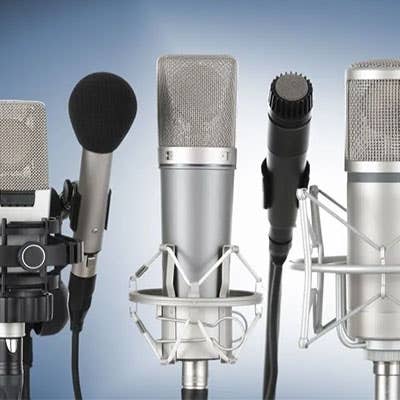
Condenser vs. Dynamic Microphones
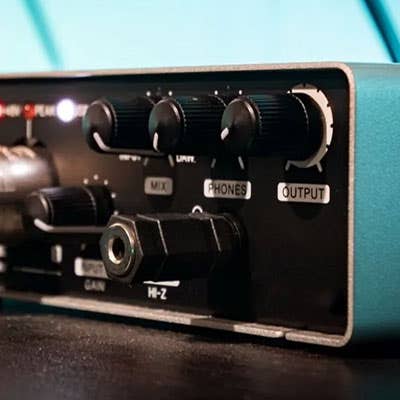
Top 10 Audio Interface Features
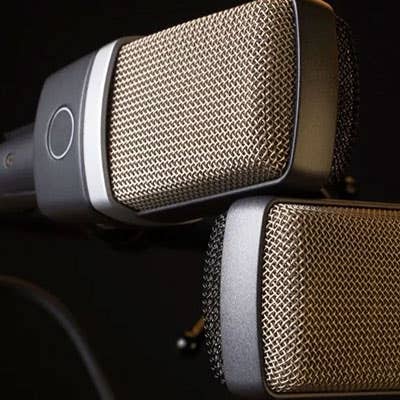
5 Best Large Diaphragm Condenser Mics Under $500
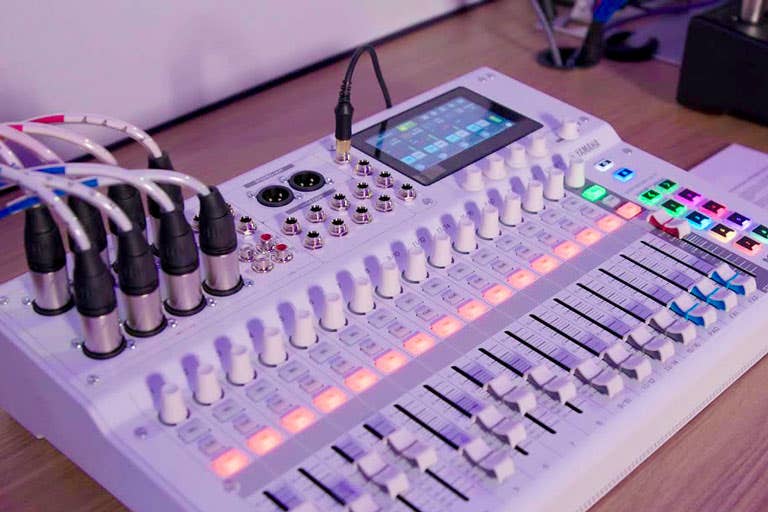
Everything Recording from Yamaha
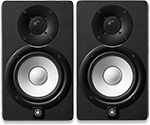
Yamaha is the largest musical manufacturer in the world, which means they know their stuff! Whether you’re looking for mixers, monitors, headphones, controllers, and more, there’s only one company that does it all — literally! Check out all the awesome Yamaha recording gear at AMS.
Recording Equipment
How to Build a Recording Studio
The one thing that unites all musicians is recording. Every musician will want to record themselves at one point or another and knowing the basics of recording gear will help you capture your performance. Whether you are just practicing and wanting to monitor your progress, or recording your music to give to your fans, there are many different recording options. You will have to dive into the basics of recording equipment to understand how to record at home.
Gone are the days when musicians needed to save up in order to book time at a professional recording studio. Due to the advances in technology and price reduction in home recording equipment, using a computer is now the most popular way to record your music at home. You don’t have to be an expert in every brand of audio interface to know that your choice has the potential to achieve a quality that is equal to (or even greater than) CDs!
American Music Supply has many great recording packages that will furnish you with everything you need to start making quality recordings at home. Maybe you already have an audio interface but are looking to purchase your first recording microphone. If this is the case, consider a large diaphragm condenser microphone. They tend to have a frequency response that best compliments the human voice and acoustic guitar as well.
The DAW - The Band and Studio in a Box
Once your signal enters your computer it must be captured using a DAW (Digital Audio Workstation), a specific type of Music Production Software. Many audio interfaces come with an intro version of DAW recording software, which is enough to capture a quality recording. There are many different recording software options, each of them being able to accomplish the same thing. A good rule of thumb for those new to recording is to start with DAW software that your friends and colleagues use. This way if you have questions, you have an experienced person to talk with. All DAW platforms basically do the same things, but the work flow and layout differs in each.
After recording your tracks, you will want to add time-based effects such as reverb and delay, and dynamics processing such as compression. These effects will help your tracks sit comfortably in the mix and give depth to your recordings. A general rule of thumb is that less is more, so be sure to take the time to really use your ears. Recording is part art and part science and know that regardless of technique, if it sounds good, it is!
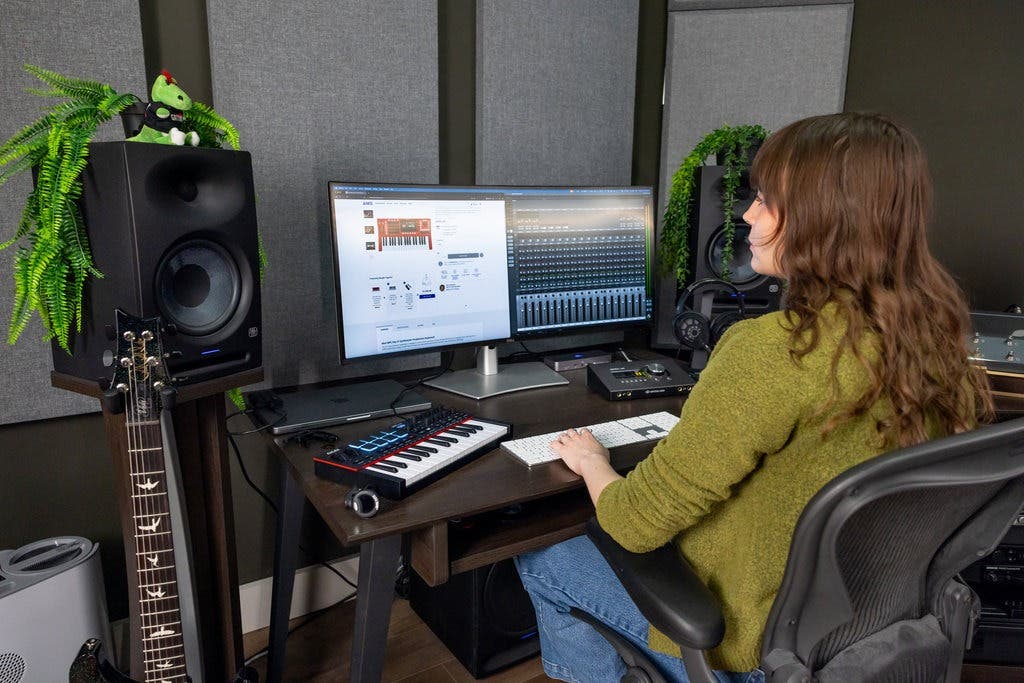
Recording your signal is only one part of the process. You’ll also need to monitor the output. Studio monitors and professional studio headphones will help you properly mix your recordings. Studio monitors are designed with a flat response, which means they don’t color the sound. This means that when you use studio monitors, your mix will properly translate to other speakers.
You now have your introductory list for recording equipment. An audio interface, microphones, microphone cables, headphones, and studio monitors are at the top of your list. Your recording studio equipment list will most certainly grow over time. Like any art form, practice makes perfect. Some engineers spend many years perfecting their craft. Just as you took the time to learn to play your instrument, recognize you will need to practice the craft of recording to achieve the sound you're after!