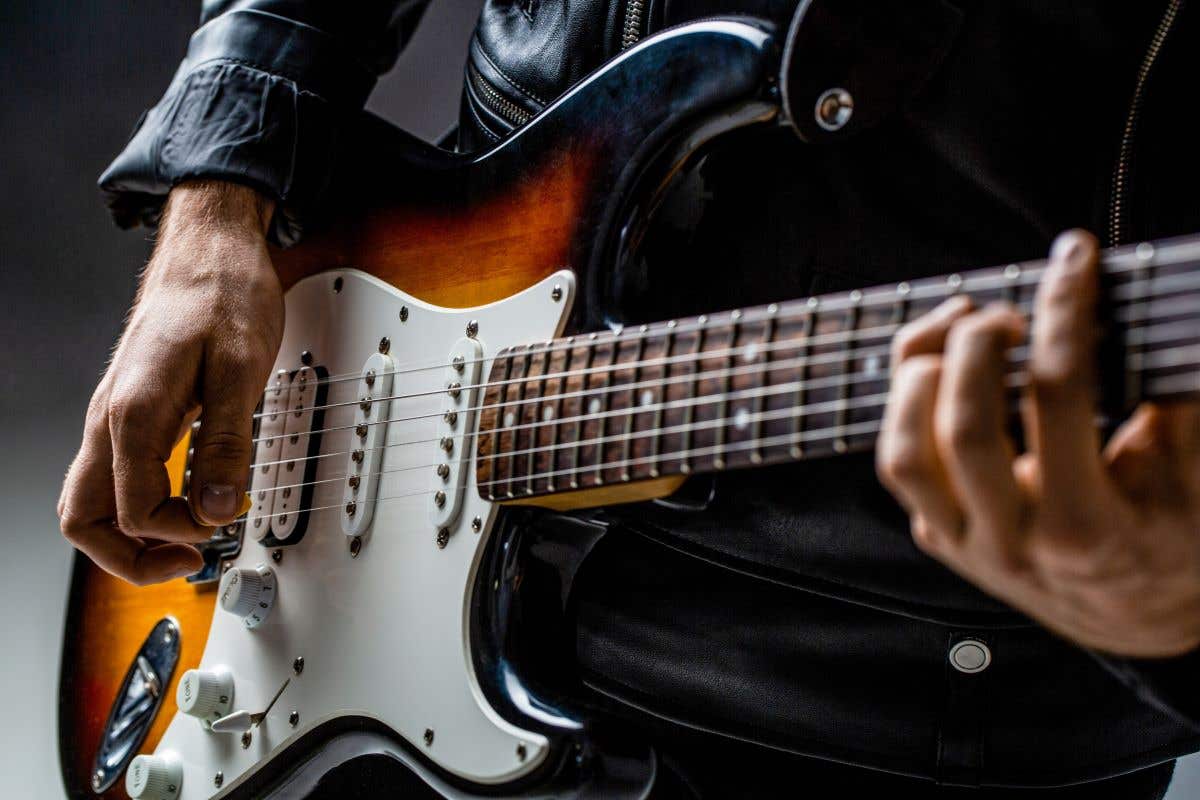

When the first electric guitars emerged many decades ago, their necks were a lot like the ones on acoustic guitars — thick and chunky but very rigid and durable. Early electric models, like the Fender Telecaster and Gibson Les Paul, featured thick, U-shaped necks. We’ll get more into the details of what different shapes mean and how they play into a player’s preferences.
As playing styles evolved, so did neck shapes. By the 1960s and '70s, manufacturers began experimenting with slimmer, flatter profiles to help with faster lead playing, with brands like Ibanez and Charvel featuring much thinner necks that lent themselves to fast playing.
Today, players can choose from a wide variety of neck shapes, each catering to different playing techniques and styles. So, which guitar neck shape is right for you? Let’s find out!
What Is a Guitar’s Neck Profile?
A guitar’s neck profile refers to the shape of the back of the neck, and it plays a major role in how comfortable a guitar feels in your hands. Some necks are thicker and rounder, offering a heartier grip, while others are thinner and flatter, designed for speed and low action.
The neck profile influences your grip and thumb placement. A deeper profile can provide more support for your fingers, while a shallower one makes fast movement and technical playing easier. I love a thick C-shape for chording, bending, vibrato, and rhythm playing, but when it comes down to playing fast, a thinner D-Shaped neck with a flatter fretboard radius typically work better for me. Flatter necks equal faster necks.
Types of Neck Shapes
Okay, there has been a lot of talk about Cs, Ds, Us, Xs (okay, I didn’t say X-shaped necks), but what does it all mean? Well if you hold on a second, I’ll tell you! The letter used kinda looks like the neck profile, and the most common guitar neck shapes you’ll come across are the C (most common), D, U, and V.
These standard neck profiles have been around since the start, but nowadays guitar makers offer far more variety and versatility in their designs. Asymmetrical, multiscale, extended-range, and Strandberg’s EndurNeck profiles have taken the game to a new level. I’m more of a traditionalist when it comes to neck profiles. I love a thin C or D with a flatter fretboard radius for faster playing, but they’re definitely not the only shapes out there. So, Let’s take a look at the differences between guitar neck profiles.
C-Shaped Guitar Necks
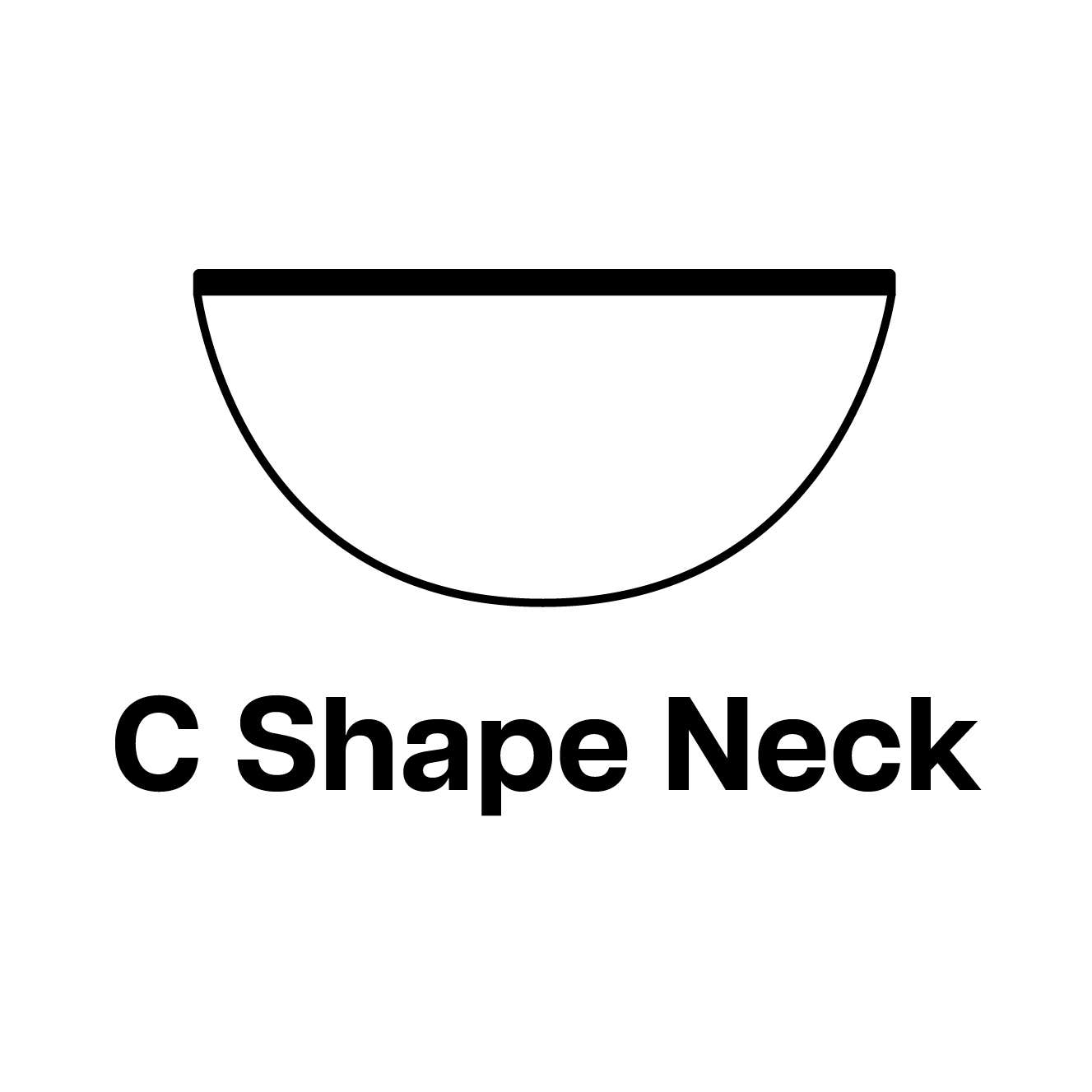
The C-shaped neck is a popular and versatile profile, found on everything from classic Fender Stratocasters to modern electrics, acoustics, and beyond. This shape is my personal favorite. I have a 1990 PRS Custom 24, and its Modern-C neck profile fits my hand perfectly. The shoulders on the neck are rounded and smooth, making it great for thumb-over playing with its comfortable, oval-like curve. It feels like an extension of my hand, making the creative process more fluid and rewarding. If you want a neck that feels familiar and balanced, a C-profile is a good choice.
D-Shaped Guitar Necks
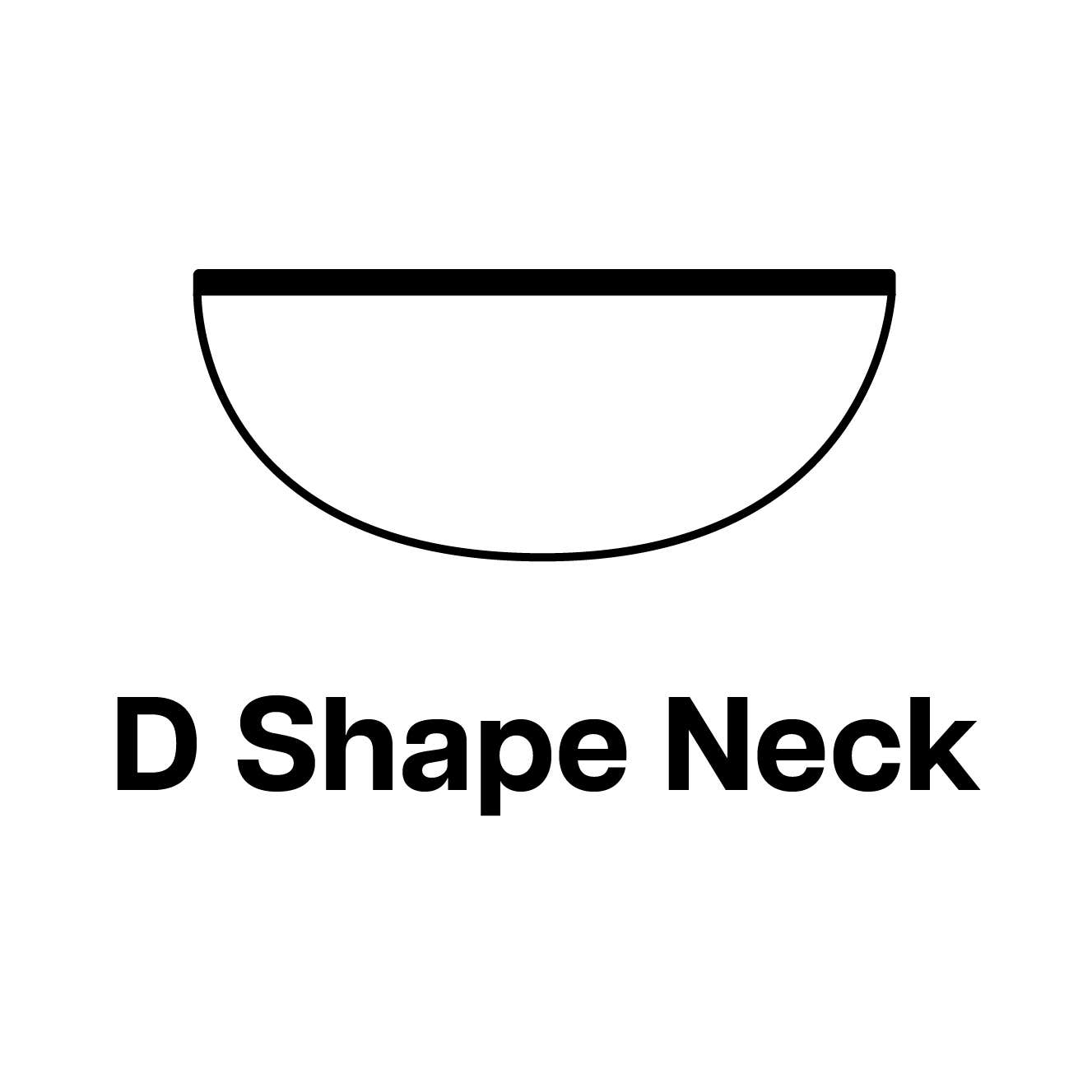
The carve on a D-shaped neck ideal for players who like their thumb resting along the back of the neck. My 2017 Gibson Custom Shop 1960 Les Paul Reissue is a good example of the D-shape. It’s a versatile carve and is great for playing rhythms, soulful leads, vibrato and bending. When I grip that neck, it feels like an old, familiar friend. My 2020 PRS SE Santana Singlecut has the PRS ‘Wide Fat’ neck, which is a variation of the D-Shape. With its 24.5” scale length and 10” radius, this guitar gives effortless bends and vibrato and is a pleasure to play. D-shape necks are known for their flatter back and shallower depth, which also make the D-shape ideal for speed and technical playing. Guitar makers like ESP, Ibanez, Charvel, Jackson and Schecter base many of their neck designs on the D-shape. If you like a modern, fast feel, the D-profile is worth looking into.
U-Shaped Guitar Necks - "The Baseball Bat"

The U-shaped neck is a chunky, deep profile that fills out the hand. It is commonly referred to as a “baseball bat” neck. While it’s not my go-to carve, I do enjoy playing my Fender ’52 Reissue Telecaster, especially for when I want to play rhythm-heavy parts and big bends. It’s great for thumb-over technique, and It’s a solid choice if you like thicker necks with a lot to hold onto. A lot of blues, country, and rock players love this shape, and it caters well to players with larger hands, rhythm guitar players, and players who dig a vintage-style feel to their guitars.
V-Shaped Guitar Neck
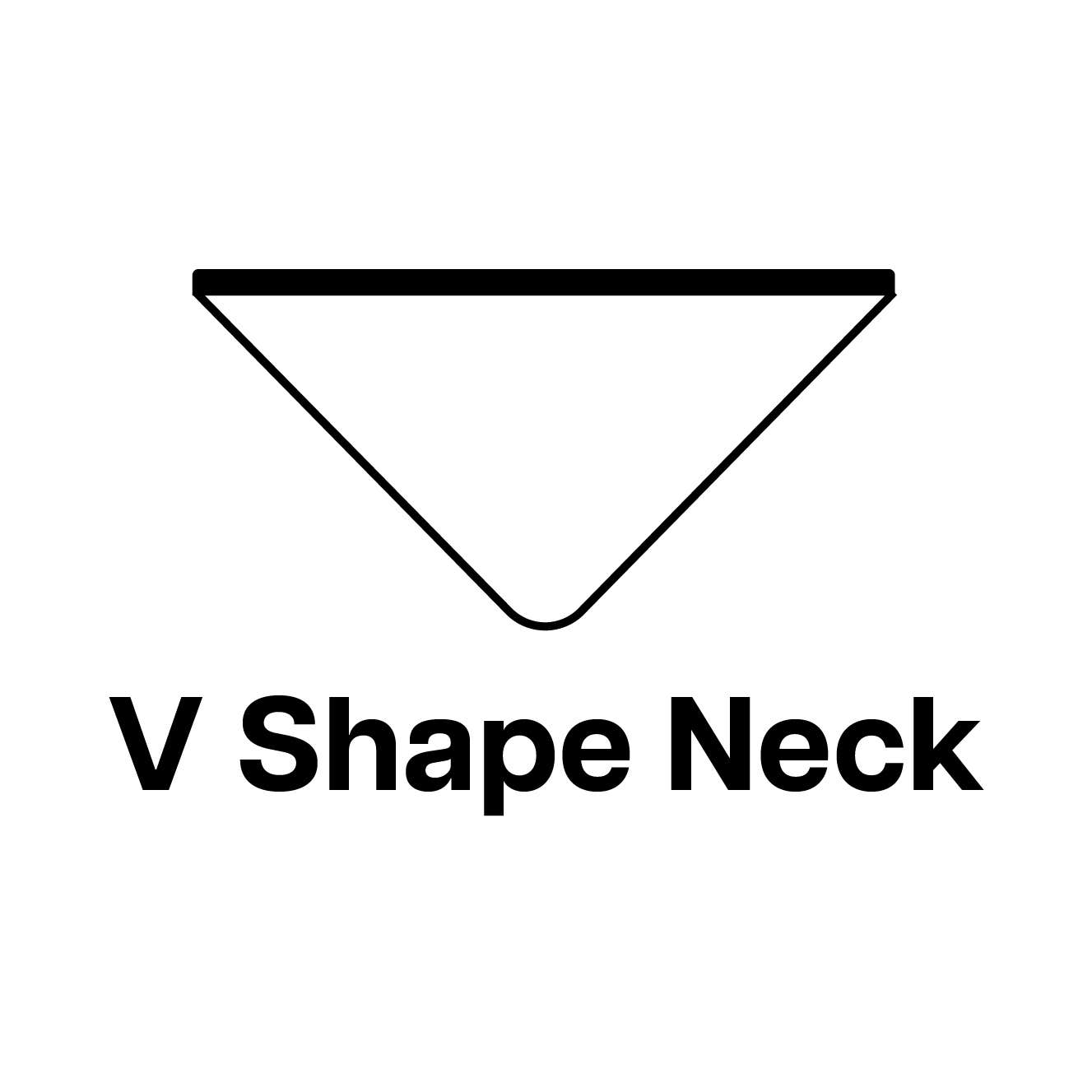
The V-shape comes in two varieties: Soft V and Hard V. The ridge on the Soft V, is less pronounced than the Hard V. Admittedly, I have not owned a guitar with a V-shape neck, but I’ve played several and for me, this shape is an acquired taste. It has a distinct ridge along the back that gives it an angular feel that seems to work better for thumb-over playing. Of the V-shape necks I’ve tried, the Soft V seems to have a more familiar feel to me, blending some of the comfort of the C-Shape that I’ve become accustomed to over the years. Having said that, a lot of great players have leaned towards the V-shape neck, so don’t be shy about trying one out. It might just be the perfect fit for you. Players who prefer thumb-over technique, blues, country players and vintage guitar lovers gravitate towards the V-shape neck.
Other Guitar Neck Profiles
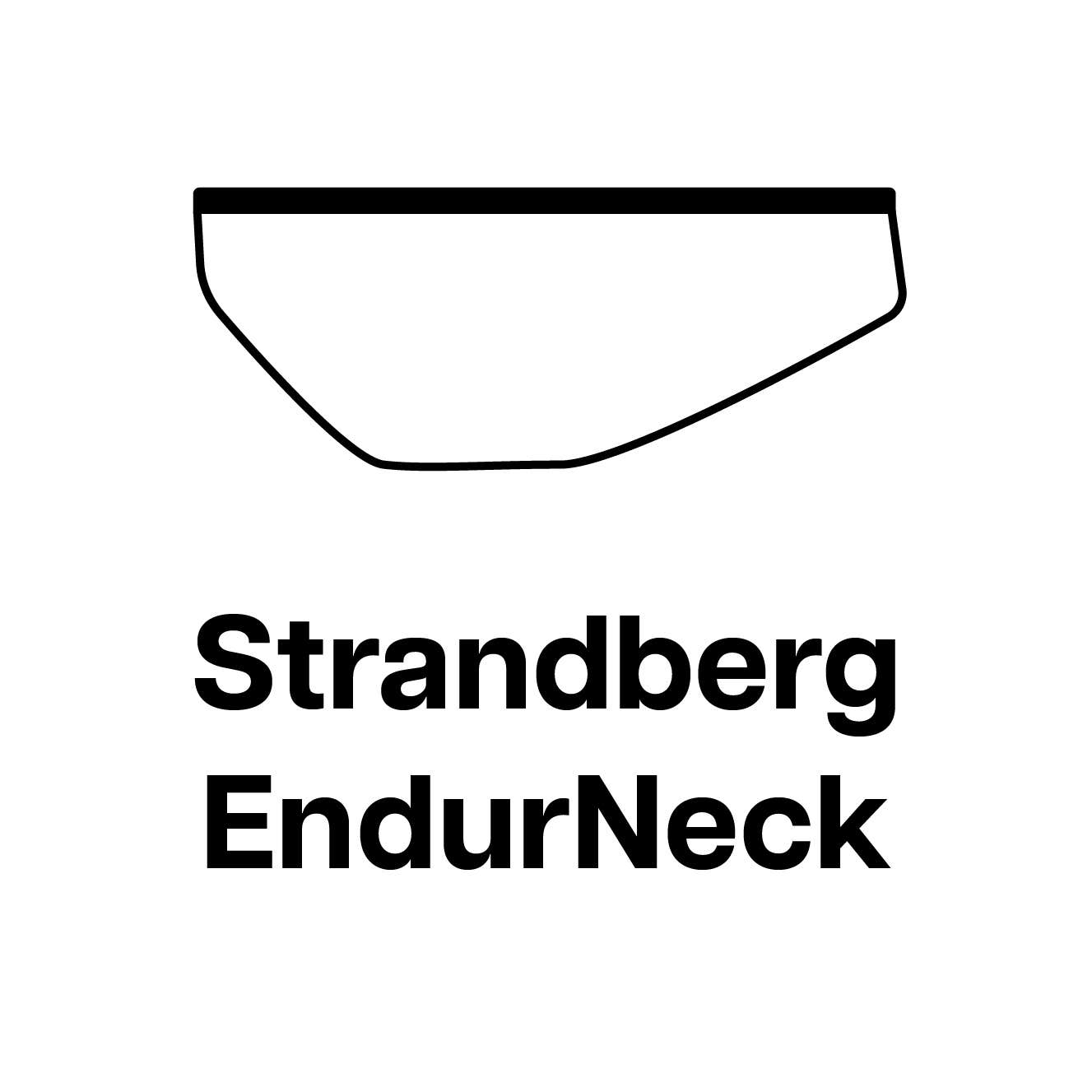
Now let’s look at some modern neck designs. Asymmetrical necks and multiscale designs push guitar ergonomics beyond traditional shapes.
An asymmetrical neck is thicker on one side — usually the bass side — and thinner on the treble, which helps align with your hand’s shape for better comfort and reduced strain.
Strandberg’s EndurNeck sits in a category of its own. It’s the most radical neck design I know of. It ditches traditional approaches to guitar neck shapes in favor of a faceted, geometric carve designed to assist with proper hand and thumb placement. I guess the best way to think of it is a rotating trapezoid…?
When I first tried one, I thought it was a variation or evolution of a V-shape. But the more I played it, the more I realized it’s a completely original carve that has a lot of research and science behind it. The thumb placement helps you make natural, ergonomic thumb shifts, and the flat surfaces give consistent contact up and down the neck. If you’re a modern technical player and you haven’t had a Strandberg EndurNeck in your hands, you’re going to want to try one and see what the hype is all about.
What’s the Best Guitar Neck Shape?
There is no single “best” guitar neck shape — only the one that feels best to you. In my case, and I’m sure many other players share in this sentiment, one carve might be better in certain situations than others. Different profiles cater to different styles, so choosing the right one depends on how you play and the particular musical situation you’re in.
- Most versatile – C-shaped necks are a great choice for nearly any style. They offer a smooth, traditional feel that works well for both rhythm and lead.
- Shredder, rock, metal – A thin D-neck or a flat-radius C-neck (like those found on Ibanez and ESP) might be your best bet for lightning-fast playing.
- Blues, country, and classic rock – A U or soft V is great for rhythm playing, bends, and vibrato.
- Technical playing – If you want to throw out all traditional ideas about how a neck feels, consider Strandberg’s EndurNeck. These necks prioritize efficiency and ergonomics and will appeal to the modern guitarist.
Of course, these are just this guitar player’s humble suggestions. There are plenty of country players who love a thin D-shaped neck and shredders rocking U-shaped Telecasters. It all comes down to what feels good in your hands.
How to Find the Right Guitar Neck Profile
If you prefer fast, thin necks, check out guitars from Charvel, ESP, Ibanez, Jackson, and Schecter which often feature D-shaped or modern C-Shaped profiles built for speed.
If you like a more substantial grip, brands like Gibson, Fender, and Gretsch offer U and V necks on many of their vintage-style models. These brands also typically offer C-Shaped necks on most fo their modern series. PRS guitars provide a balanced, refined C-shape making them a great all-around choice.
For those seeking ergonomic innovations, consider a Strandberg or an asymmetrical profile like those found on EVH Wolfgang guitars.
But at the end of the day, the best way to know what works for you is to try a few out. Because let’s face it, reading about neck shapes is one thing, but actually playing them is what counts.
Luckily, AMS offers you an industry-leading 45-day return policy. It gives you the freedom to test drive different neck profiles without the commitment. Order with confidence, play it in your own space, and make sure you like the way it feels. And let’s be honest, you’re probably going to need multiple neck carves in your “guitarsenal” anyway.
Find the Neck that Fits Your Style
Guitar neck profiles might seem like a small detail, but they have an impact on how comfortable and enjoyable your playing experience is. My 1990 PRS Custom 24 shaped who I am as a player, and what I prefer in a neck carve. My tastes have evolved over the years since getting that guitar, but even if I have not picked it up in months, I can always go back to that instrument, and it will immediately have that good, familiar feeling. Like home.
The key is finding what feels right for you. AMS has a wide selection of guitars with all sorts of neck shapes, so get out there and explore! Check out our selection and find the guitar that feels right for you. It’s just sitting there waiting for you!