Scale length: It’s not something you immediately think of when picking a bass. But it plays a huge role in both feel and tone. There are two main types of scale lengths: normal (or long) scale and short scale. Each has its place, but which one is right for you? Learn all about the differences between short scale bass vs. normal scale bass to find your perfect low-end match.
What Is Scale Length on a Bass?
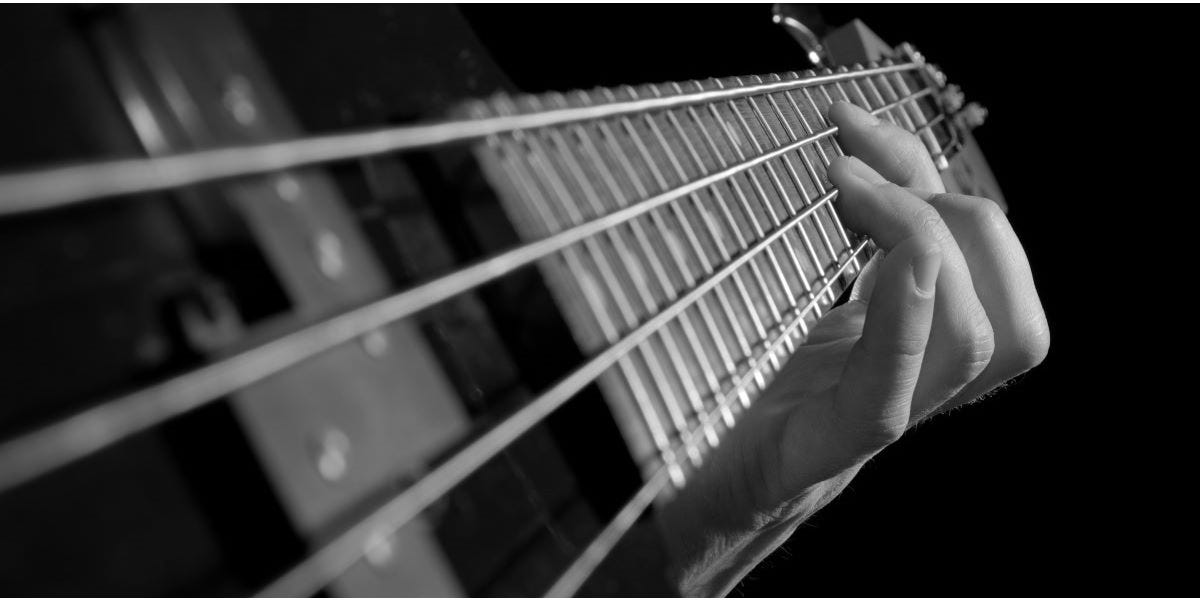
Scale length is the distance between the nut and the bridge — basically, the part of the string that vibrates. On a typical bass, this distance is usually 34 inches. That’s your standard or "long scale." Short scale basses come in around 30 inches. Those four inches might not sound like a lot, but they change how the bass feels, responds, and sounds. The difference in tension, fret spacing, and tone can be surprisingly noticeable. Want to dig deeper? Check out our full blog on scale length.
What Is a Normal Scale Bass?
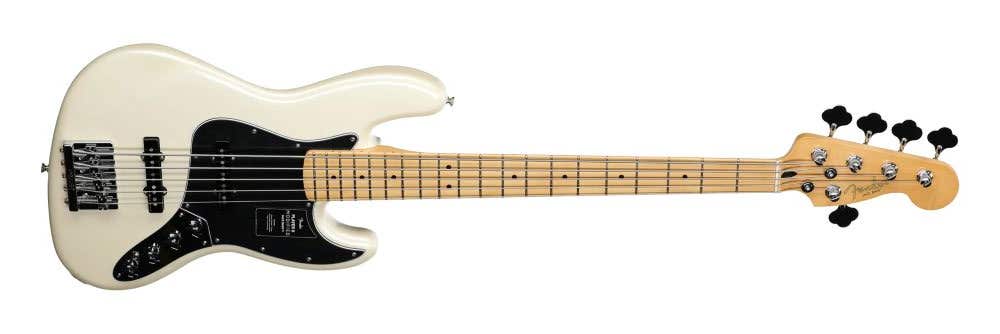
The standard for decades, normal scale (aka long scale) basses are what most players picture when they think of a bass. They’re known for delivering tight low end, snappy attack, and clear articulation. These are the workhorses of the bass world. Think Fender Jazz Bass, Fender Precision Bass, or the Ibanez SR series — like the 5-string SR305E I keep around to get song ideas down. I'm not a “bassist” per se, but that thing’s been rock solid when I need it.
Pros of Normal Scale Basses
- Strong low-end clarity and definition
- Excellent tuning stability, especially in lower tunings
- Largest selection of string options
- Familiar feel for most session players and touring pros
Cons of Normal Scale Basses
- Longer reach and wider frets can be more difficult for players with small hands
- More physically demanding to play (especially for beginners)
- Heavier and bulkier
What Is a Short Scale Bass?
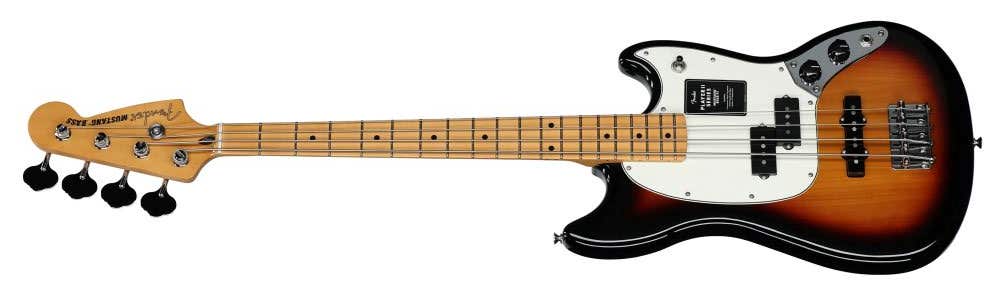
Short scale basses are usually 30 inches in scale length. That makes them more compact with less string tension and closer frets. For someone like me — someone who’s a guitar player dabbling in bass — this kind of layout just feels more approachable. They’re fun to play and offer a tone that’s noticeably different: rounder, warmer, a bit more vintage. And that difference? It’s not just about comfort; it’s a whole different vibe.
Pros of Short Scale Basses
- Easier on the hands and fingers (especially for guitarists or younger players)
- Lighter and smaller — great for home studios
- Unique tone: warm, thumpy, and full of character
- Inspires different playing styles and musical ideas
- Great for genres like old-school soul and funk, indie, and classic rock
Cons of Short Scale Basses
- Less low-end punch and clarity than long scale
- May lack definition in high-output or aggressive styles
- Smaller selection of available strings
- Less sustain
Are There Medium-Scale Basses?
Yep. Medium scale basses are around 32 inches and give you a bit of both worlds; more comfort than a long scale but more clarity than a short scale. They’re not too common, but for some players they just right. Sort of the Goldilocks of bass scale lengths.
Best of Both Worlds: Multi-Scale Basses
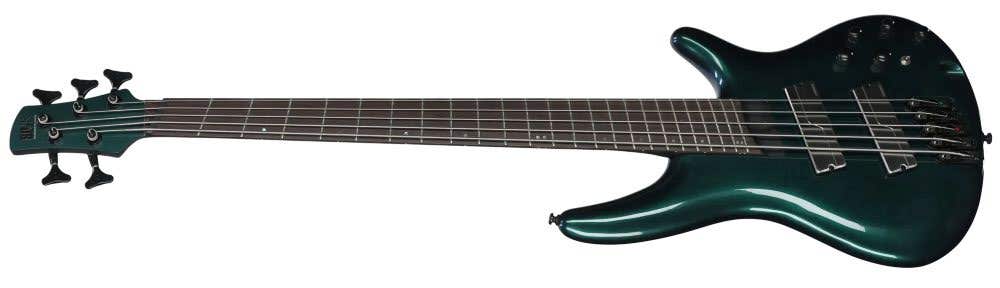
Multi-scale or “fanned fret” basses use different scale lengths for each string — longer on the low end and shorter on the high end. The idea is to optimize tension and comfort for each string. It’s a more advanced design and may take a minute to get used to, but it’s a good option for players who want maximum playability and tonal consistency.
Multi-scale basses are especially popular in genres like progressive rock, metal, and modern jazz fusion, where clarity, punch, and tuning stability are crucial. You’ll also see them in the studio for film scoring or experimental pop where precise articulation matters.
Which Is Best: Short Scale Bass vs. Normal
That depends on what you’re looking for in terms of sound and feel. Long scale basses give you punch, clarity, and tradition. Short scale basses bring comfort, vibe, and a more expressive, vintage-leaning tone.
Short scales basses have a distinct musical flavor. For me, that’s what makes them appealing — not as a replacement, but as a different voice in the toolbox. I’ve got my eye on one even now to complement my Ibanez SR305. Something with a little more soul and sauce.
Popular Short and Normal Scale Bass Brands


Normal Scale: Fender Jazz and Precision basses, Ibanez SR series, Yamaha BB series, and Music Man StringRay. These are the staples built for power, clarity, and versatility.
Short Scale: Fender Mustang, Hofner Violin Bass (Paul McCartney’s choice of short scale) Gibson SG Bass, and modern picks like the Ibanez Talman series or the Reverend Mike Watt Wattplower MKII.


Which Scale Length Is Right for Your Playing?
You don’t have to choose one over the other. That’s the beauty! Both short and normal scale basses have their place depending on your playing style, hand size, genre, and even your mood. If you’re like me — a guitar player but bass-curious — short scale might be the thing that finally gets you to play more. It’s not just easier to play; it’s creatively inspiring in a different way.
Short scale isn’t a compromise. It’s a choice — and a cool one at that. It might just be the right one for your next session, your next song, or your next sonic chapter.