The audio world loves a good debate almost as much as it loves that perfectly balanced sound. Here enters the eternal question that has sparked countless forum wars and late-night studio discussions: Should you upgrade from the legendary Shure SM7 to its younger sibling, the SM7B? It’s a faceoff of the Shure SM7 vs SM7B! Who will make it out on top?
Both microphones have earned their stripes in the recording industry, from capturing Michael Jackson's iconic vocals to becoming the go-to choice for podcasters worldwide. The SM7, released in in the early 70s, paved the way for what would become one of the most respected microphone lineages in audio history. Nearly three decades later, the SM7B arrived with promises of improvements and modern-day refinements.
But here's the million-dollar question: Is the SM7B worth the upgrade, or is the original SM7 still the king of the castle? Let's dive into the nitty-gritty details and settle this debate once and for all.
Unravelling the SM7: Past to present
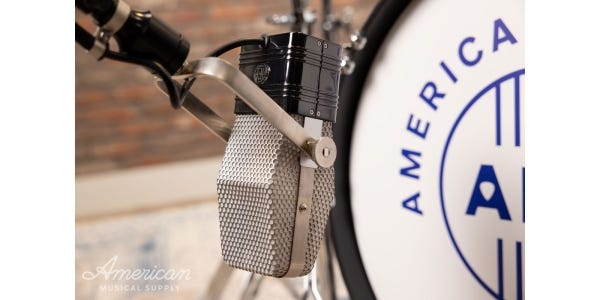
The Shure SM7 didn't earn its legendary status by accident. After seven years of meticulous research and development, Shure released this dynamic microphone powerhouse in 1973 with a retail price of around $289 (adjusted for inflation).
This microphone was built on similar acoustic principles to the beloved SM58 but with a twist — three times as many wire coil turns and a thinner diaphragm. The result? A smooth, flat, wide-range frequency response that made broadcasters weak in the knees. By the late '70s, finding a radio station without an SM7 was like finding a unicorn in the wild.
The SM7's frequency response features a balanced curve with a noticeable midrange peak between 2kHz and 7kHz, giving vocals that warm, articulate quality that made it a favorite among professionals. Its cardioid pickup pattern ensures excellent off-axis rejection, making it perfect for those less-than-perfect recording environments.
Pros
Here are the standout features that make the Shure SM7 a favorite among audio professionals and creators:
- Warm, smooth, and natural tones
- Flattering results for vocals, voiceover work, and broadcast applications
- Flat, wide frequency response for versatility, handling intimate vocal performances, guitar amps, drums.
- Built-in EQ switches on the rear panel provide low-cut and presence boost controls.
- Control over sound without external processors.
- Excellent off-axis rejection isolates sound sources, even in acoustically challenging rooms and home studio environments.
Whether you're in a professional studio or a home environment, this microphone's ability to isolate sound sources and deliver exceptional audio quality makes it a trusted choice for creators and professionals alike.
Cons
Here's where things get a bit tricky… The SM7’s disadvantages are really microscopic in the grand scheme of things.
- The SM7's biggest disadvantage is its availability: Being discontinued means relying on vintage units or new-old-stock, often at premium prices.
- XLR connector placement can interfere with yoke movement, causing positioning challenges during recording.
- Relatively low output, like many dynamic microphones, requires high-gain preamps and/or inline activators such as the Cloudlifter or FetHead to avoid unwanted noise
Despite these challenges, the SM7 remains a sought-after microphone for its exceptional sound quality and timeless performance.
The Bigger, Badder - The Shure SM7B
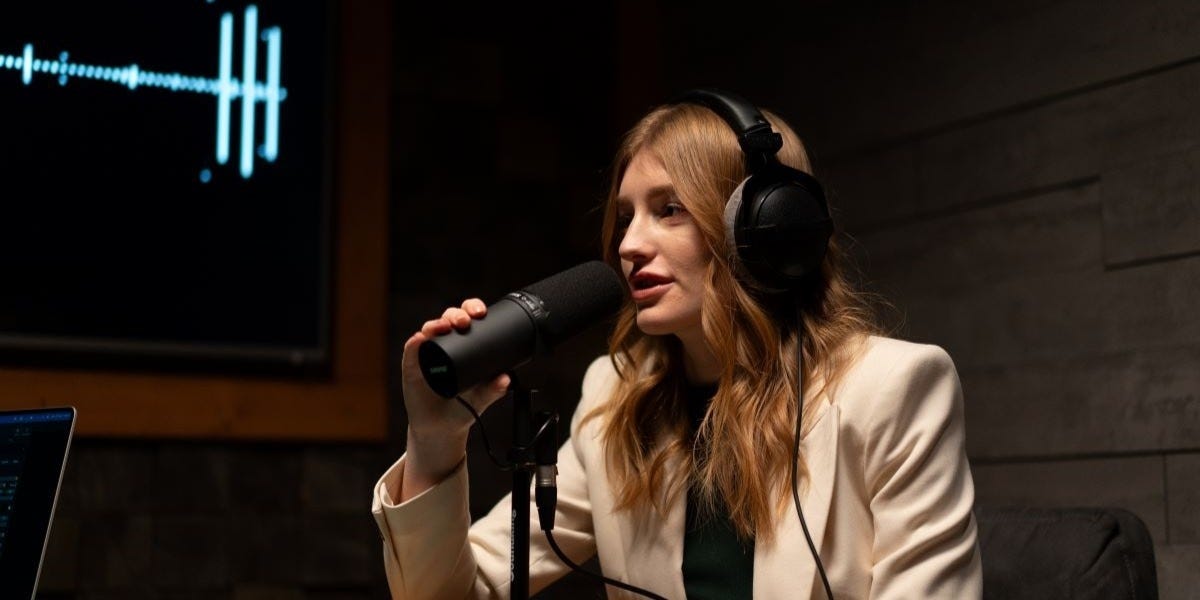
Enter the Shure SM7B in 2001, to address the audio industry's evolving needs. While the SM7 was busy being legendary, the world of recording was changing. Podcasting was emerging, home recording was booming, and users demanded versatility across multiple applications.


The SM7B took everything great about the SM7 and gave it a nice modern makeover. The most significant improvement lies in its flatter frequency response curve, offering a truer representation of its sound source. This ensures vocals cut through mixes clearly while maintaining the warmth and character that made the original so known and respected.
Improved electromagnetic shielding became a game-changer in our increasingly digital world, offering better rejection of interference from computer monitors, fluorescent lights, and all of the other little gremlins that plague modern studios.
Pros
The SM7B's improvements read like a wish list granted by the audio gods. Enhanced electromagnetic shielding practically eliminates hum and interference from modern electronics — a blessing for anyone recording near computers or fluorescent lighting.
- Two windscreens come included: Standard foam windscreen and aarger A7WS windscreen for superior plosive reduction during close-mic applications.
- Redesigned XLR connector and adjustable yoke mount for easier setup and positioning.
- Durable, reliable construction for long-lasting performance. It is a Shure microphone, after all…
The smooth, warm sound signature remains faithful to the SM7's character while offering slightly refined electronics perfect for vocals, podcasting, streaming, and instrumental recording.
Cons
While the Shure SM7B is a beloved choice for professionals, there are a few considerations to keep in mind:
- Requires a high-gain preamp or inline booster for optimal performance
- Heavier build may require a sturdy mic stand or boom arm
- No included shock mount, which may be needed for vibration isolation
- Price point may be higher compared to other microphones
Despite these tiny drawbacks, this remains a top-tier microphone for those seeking exceptional sound quality and durability.
SM7 vs. SM7B: Worth the Upgrade?
Here's where the rubber meets the road (or where the diaphragm meets the sound waves, if you prefer). The fundamental difference between these microphones lies in their frequency response characteristics and modern conveniences.
The SM7's midrange peak between 2kHz and 7kHz gives vocals a certain character and presence that some engineers and artists just prefer.
The SM7B's flatter frequency response provides more accurate source representation, making it equally adept at capturing vocals and instruments. This versatility makes it particularly attractive for home studio owners who need one microphone to handle multiple roles.
The electromagnetic shielding improvements in the SM7B cannot be overstated for modern recording scenarios. If you're recording near computers, LED lights, or other electronic equipment, the SM7B's superior interference rejection alone might justify the upgrade.
Overall, the Shure SM7B does get a few points over the SM7, namely shielding and availability (you can actually buy it from retailers). But ultimately, choosing between them isn't about superiority, it's about alignment with your specific needs, preferences, and recording environment.
Need More Gain? Check Out the Shure SM7dB

For those tired of the struggle with preamp gain, Shure threw us a lifeline with the SM7dB. This innovative addition to the SM7 family features a built-in low-noise preamp providing up to +28 dB of flat, transparent gain.
This built-in amplification eliminates the need for external gain boosters and makes the microphone compatible with a broader range of interfaces and preamps. It's like having a Cloudlifter built right into the microphone, with convenience and performance wrapped all in one.
More Amazing Microphones from Shure
The SM7 legacy continues with modern iterations designed for contemporary content creators. The MV7 series brings SM7B-inspired design to the USB and podcasting world, offering convenient connectivity without compromising audio quality.
The MV7 family includes several variations of the MV7 series:
- Shure MV7X
- Shure MV7 Plus
- Shure MV7i Smart Mic with Audio Interface USB-C
- Shure MV7K-BNDL Podcast Hybrid USB-C And XLR
Each offers unique features tailored to specific recording scenarios and user preferences. These modern alternatives provide accessible entry points into the SM7 ecosystem while maintaining the sonic characteristics that made the original microphones legendary.

Shure MV7K Podcast Hybrid USB-C And XLR Dynamic Microphone Black
Special Price $299.00
Shure MV7i Smart Mic with Audio Interface USB-C
Special Price $389.00
Shure MV7K-BNDL Podcast Hybrid USB-C And XLR Dynamic Microphone
Special Price $319.00


Here are a couple other options:
- Shure SM7db - The SM7dB has a built-in low noise preamp that provides up to +28 dB of flat, transparent gain that’s perfect for lower-output devices and simpler audio chains. You’ll be amazed at the sonic performance you’re able to get with this microphone, think about the SM7B loaded up on a pre-workout drink.
- Shure SM58 - The classic, ol’ reliable, SM58 mic delivers a vocal-friendly frequency curve with a subtle boost around 4kHz that helps vocals sit right in the mix without overhyping brightness.
Closing the Case: Shure SM7 vs. SM7B
The SM7 vs. SM7B debate ultimately comes down to your specific needs, budget, and recording environment. The original SM7 remains a phenomenal microphone with character and history that many engineers still prefer to this day. However, the SM7B's modern improvements, particularly its electromagnetic shielding and refined frequency response (and availability) — make it more practical for contemporary recording scenarios.
If you're starting fresh, the SM7B offers better value and versatility. If you’re lucky and already own an SM7 and it’s serving you well, the upgrade isn't necessarily urgent unless you're experiencing interference issues or need the improved positioning flexibility. Either way, you're choosing from microphone royalty — and that's a pretty good problem to have. If you have any questions while you search, feel free to reach out to us at our toll-free number 800-458-4075 and we’ll be “Shure” to help you out… (oh c’mon I thought that wasn’t too bad).