Scale length is one of those guitar specs that might sound technical at first, but it’s actually a fairly simple concept that plays a significant role in how your guitar feels and sounds. Whether you’re chasing smooth bends and vibrato, tighter low-end, or just want a more comfortable stretch across the neck, scale length is something worth knowing about. So, what is scale length for guitars and how does it affect your playing? I’m glad you asked!
The Definition of Guitar Scale Length
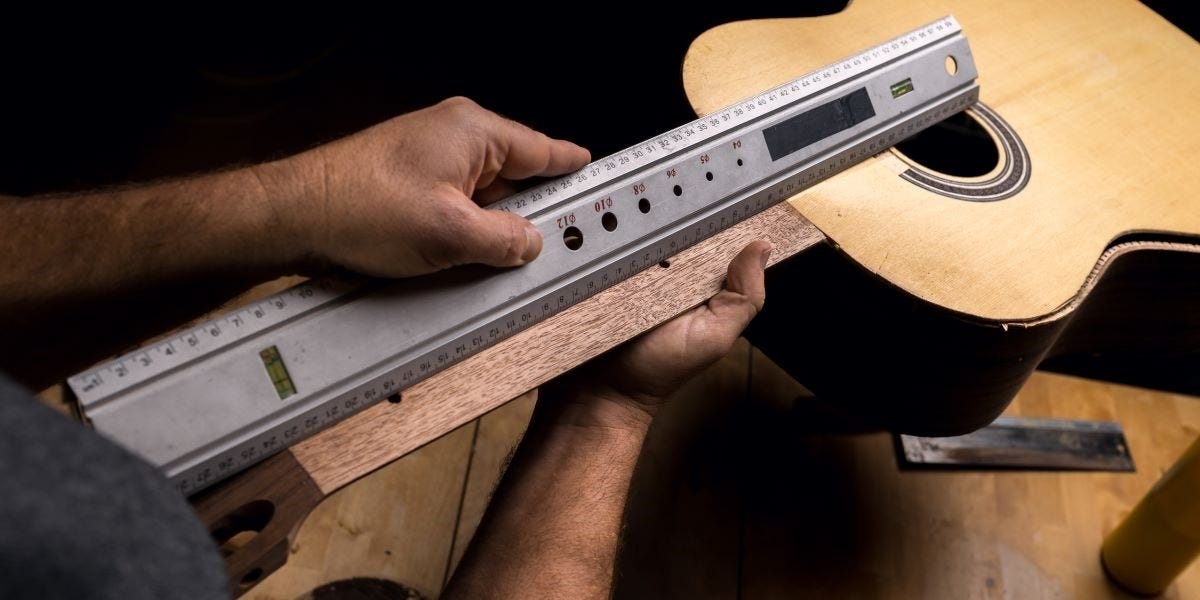
A guitar’s scale length refers to the vibrating length of the strings — basically, the distance between the nut and the bridge saddles. It’s measured in inches, and most guitars fall into a few standard ranges. The most common electric guitar scale lengths are:
- Fender-style: 25.5"
- Gibson-style: 24.75"
- PRS-style: 25"
Scale length affects not only the physical spacing between frets but also string tension and tone. Longer scale lengths have higher string tension, tend to feel tighter and produce a brighter tone, while shorter scale lengths have lower tension, feel slinkier and sound a bit warmer or rounder.
What Is a Multi-Scale Guitar?
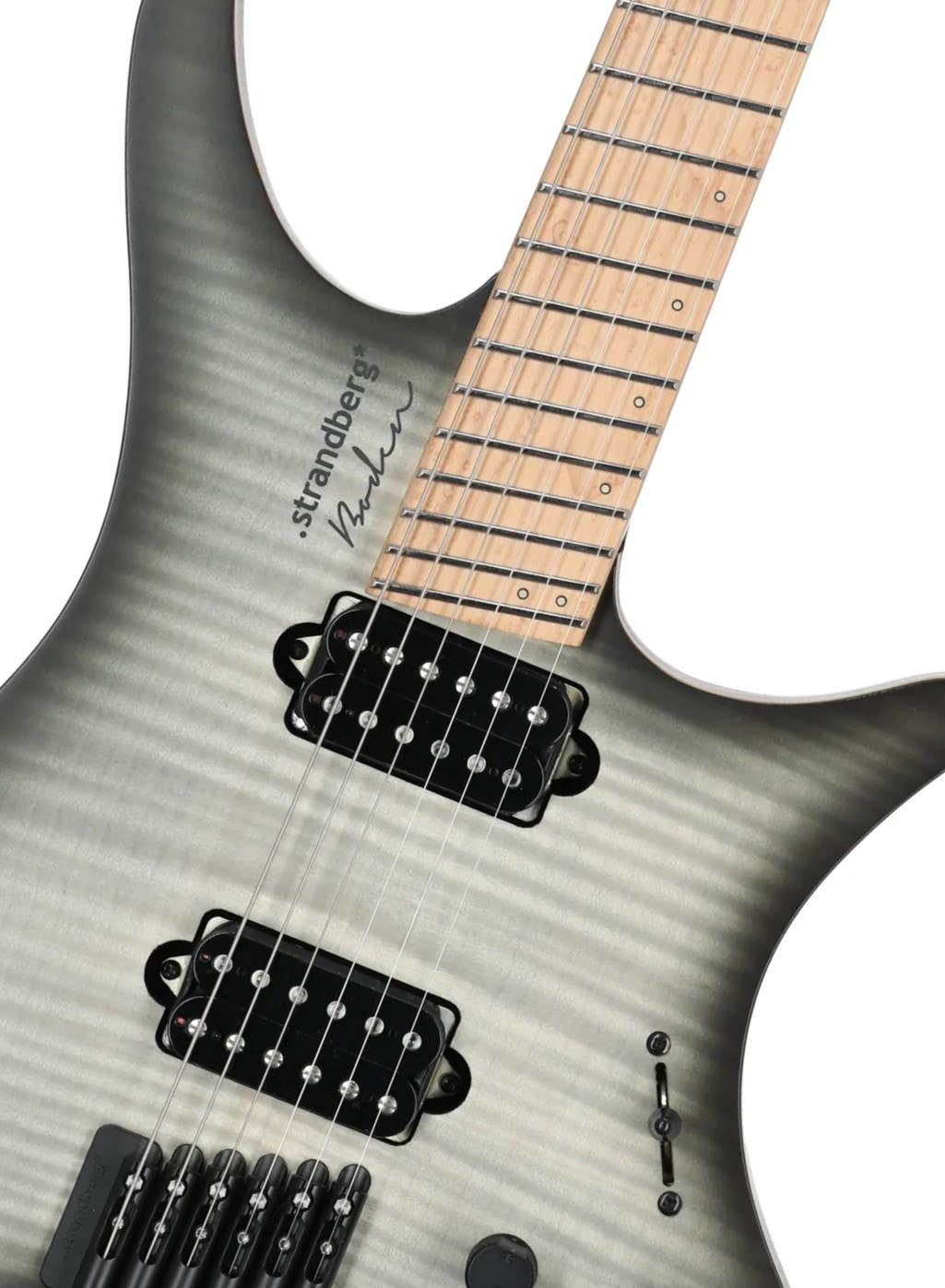
Multi-scale guitars (also known as fanned-fret guitars) have different scale lengths for each string — typically a longer scale on the bass side and a shorter scale on the treble side. The frets are angled to facilitate the changing scale length.
For example, a typical multi-scale six-string might go from 25.5" on the treble side to 26.5" on the bass side, while an 8-string model could span from 25.5" to 28" or more.
The result? Better intonation, more even string tension on the low-end, and improved clarity for extended-range guitars. Multi-scale designs are popular among progressive and metal players who demand tight low end without sacrificing lead playability.
How Scale Length Affects Playability
Scale length changes how a guitar feels in your hands:
- String tension: Longer scales require more tension for the same pitch, which can make bends a bit tougher but gives the low strings more snap.
- Fret spacing: Shorter scales mean the frets are closer together, making it easier for small hands or complex chord shapes.
- Tone: Longer scale guitars often sound brighter and more articulate; shorter scales have a mellower, sometimes more vintage tone.
Personally, I’ve really noticed how different scale lengths affect my playing. My Fender Mustang with its 24" scale is almost comically easy to bend on — you barely have to try, and before you know it, you’ve bent up a major 3rd. Same goes for my PRS SE Santana Singlecut Trem (24.5" scale). Vibrato and expressive playing feel effortless on both.
That said, longer scale guitars (like the common 25.5" Fender-style) have always presented a bit of a challenge for me because of my hand size. I can play them, but 25.5" is absolutely the longest scale I’d consider using live. And when it comes to pulling off something like the “Ice Cream Man” solo — no shot. That crazy lick just isn’t happening for me unless I’m on a 24.5" or maybe a 25" scale. Anything more and I’m stretching like Gumby.

What’s the Best Scale Length for a Guitar?
There’s no single “best” guitar scale length. It depends on what you play and how you play it. Here's a rough guide of where you might want to start:
- Blues/Rock Lead Players: May lean toward 24.75" for easier bends.
- Metal Players: Often prefer 25.5" or even longer (27"+ baritones) for tight low-end response.
- Fusion/Jazz: Some like the feel of a middle-ground 25" scale.
- Beginners/Smaller Hands: Shorter scale guitars may feel more forgiving.
It’s worth trying different guitars side-by-side to feel how scale length impacts your style.
Guitar Scale Length by Brand
Here are typical scale lengths for popular guitar makers:
- Fender (Strat, Tele) – 25.5"
- Gibson (Les Paul, SG) – 24.75"
- PRS – 25"
- Ibanez – Mostly 25.5", but some extended-range models go longer
- Gretsch – Commonly 24.6" or 25.5", depending on the model
- ESP/LTD – Usually 25.5" or baritone (27") for metal guitars
- Jackson – 25.5" standard
- Martin – 25.4" or 24.9"
- Taylor – 25.5"
Finding Your Sweet Spot
I own a variety of guitars with different scale lengths. I’m most comfortable with the PRS-style 25" scale. But when I want to play lead parts that call for big stretches, I prefer something shorter — 24.75" or even 24.5” or 24". Those short scales really make bending and vibrato easier for me. On the other hand, if I’m laying down a high-gain rhythm or I need a little more spank, I’ll reach for something with a longer scale to tighten up the low end and give it a snappier response.
Scale length might not be the first thing you notice when you pick up a guitar, but once you understand how it shapes feel and tone, it’s hard to ignore. Whether you’re dialing in a new sound, tuning lower, or just looking for more comfort, knowing your scale length options can help you find your perfect fit.