
-

Pig Hog Vintage Series Woven Microphone Cable
$33.95 - $59.95Pig Hog Vintage Series cables are precisely overbuilt to stand up to the most grueling tour conditions imaginable. They feature extra-thick tour grade wire, unique high quality woven jackets, performance quality con...4 Payments of $12.36
h m s
Skip to Content
Get FREE shipping on all orders!
Fast FREE shipping on all orders!
XLR Cables

XLR Cables: Where Clean Signal Starts
Microphones are honest. They pick up everything, including problems you didn’t plan on. That’s why the XLR cable matters more than most people admit. A solid microphone cable keeps noise out, handles long runs with ease, and stays locked in place even when the stage gets hectic.
American Musical Supply stocks XLR microphone cable options made for the way sound moves: across stages, through studios, and into interfaces and mixers. You’ll find lengths that make sense for tight vocal booths and sprawling live rigs, along with builds that hold up to being stepped on, wrapped up fast, and used again tomorrow. Your mic is only as good as what it’s plugged into; find the best XLR cable for your setup at AMS today.
Hi-Z vs. Low-Z XLR Cables Explained
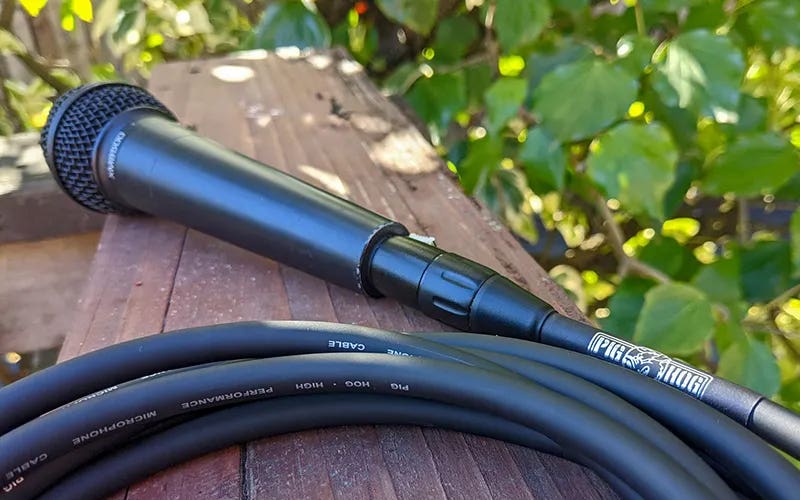
Not all microphones send a signal the same way, which is where Hi-Z and Low-Z connections come into play. Knowing the difference helps you choose the right XLR cable and avoid noise, signal loss, or level issues before they start.
Here’s the difference in plain terms:
- Low-Z (Low Impedance): This is the standard for most microphones today. Low-Z microphone cable runs stay quiet over long distances, resist interference, and work smoothly with mixers, audio interfaces, and stage boxes. If you’re using a typical vocal or instrument mic, this is what you want.
- Hi-Z (High Impedance): Hi-Z setups are less common and usually found with older microphones or specific adapters. These signals are more sensitive to noise, and shorter cable runs are important to avoid signal loss.
For nearly all live sound and recording work, a Low-Z XLR microphone cable is the right call.
Choosing Between XLR to XLR and XLR to 1/4-Inch Cables
Different jobs call for different XLR cables. The right choice depends on what you’re connecting and where that signal needs to go next.
XLR to XLR Cables
These cables feature a three-pin XLR connector on both ends and are the standard choice for microphones and balanced audio connections. They’re commonly used to run a mic into a mixer, audio interface, preamp, or stage box.
XLR to XLR microphone cables lock in securely, handle long cable runs well, and help reject noise and interference. If you’re connecting a microphone or any balanced output to pro audio gear, this is usually the right option.
XLR to 1/4-Inch Cables
XLR to 1/4-inch cables combine an XLR connector on one end with a 1/4-inch plug on the other, often TRS. They’re useful when routing a balanced signal into gear that accepts 1/4-inch inputs, such as mixers, interfaces, or outboard equipment. Choose this style when your source is XLR, but your destination is not.
What to Look for in an XLR Microphone Cable
Choosing the right XLR cable goes beyond length and price. Paying attention to a few key features helps you pick a cable that behaves well, resists interference, and lasts through years of inserts and take-downs.
Here are the practical things that matter:
- Shielding Quality: Good shielding protects your signal from electromagnetic and radio interference, reducing unwanted buzz and hum. Better shields often use braided or dual layers for stronger noise rejection.
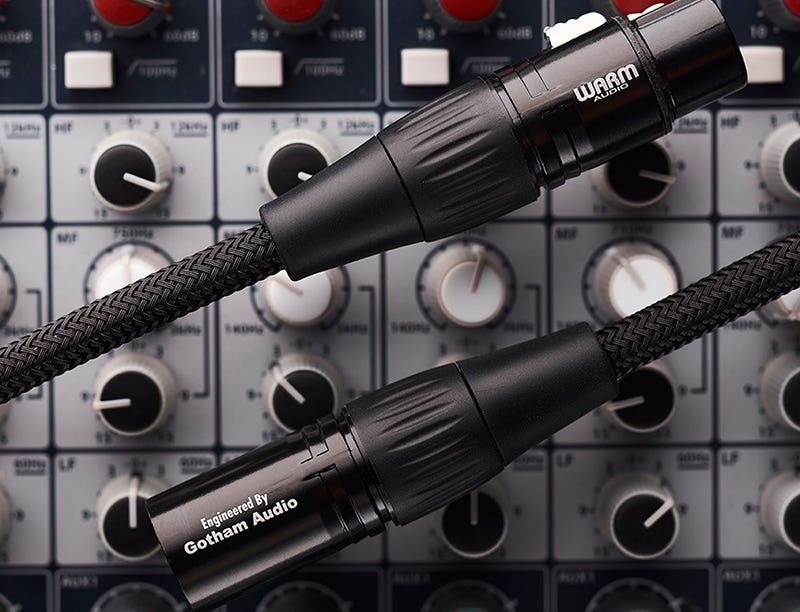
- Connector Build: Look for sturdy connectors that fit cleanly into jacks without wiggle. Metal housings tend to hold up better to repeated use and touring wear.
- Cable Length: Pick the shortest cable that still lets you move freely. Longer runs invite interference if the environment is noisy.
- Durability and Jacket Material: Tough outer jackets withstand snags, stepping, and constant recoiling without cracking or kinking.
Frequently Asked Questions About XLR Cables
Are all XLR cables the same?
No. Shielding quality, connector construction, and internal wiring vary and affect noise rejection and durability.
Can XLR cables carry line-level signals?
Yes. XLR cables are commonly used for balanced line-level connections between mixers, preamps, and powered speakers.
Why do microphones use XLR cables instead of 1/4 inch?
XLR connections support balanced audio, which reduces noise over long cable runs. They also lock in place for added security.
Keep Your Mic Signal Clean With XLR Cables From AMS
When microphones are involved, small details matter. The right XLR cable helps keep noise out, connections solid, and sessions moving without interruptions. Whether you’re setting up a single vocal mic or wiring a full stage, American Musical Supply has microphone cable options ready for real use. Explore our full selection of XLR microphone cables and choose the lengths and builds that make your setup work smoothly from the first soundcheck to the final take.