There’s no denying it: Shure is synonymous with performance microphones. When you step on stage, you’ll see plenty of them. And if you’re a performer or a venue looking to invest in a couple mics of your own, it won’t take long to hear the recommendation:
“Get a couple of 58s, that’s a good place to start.”
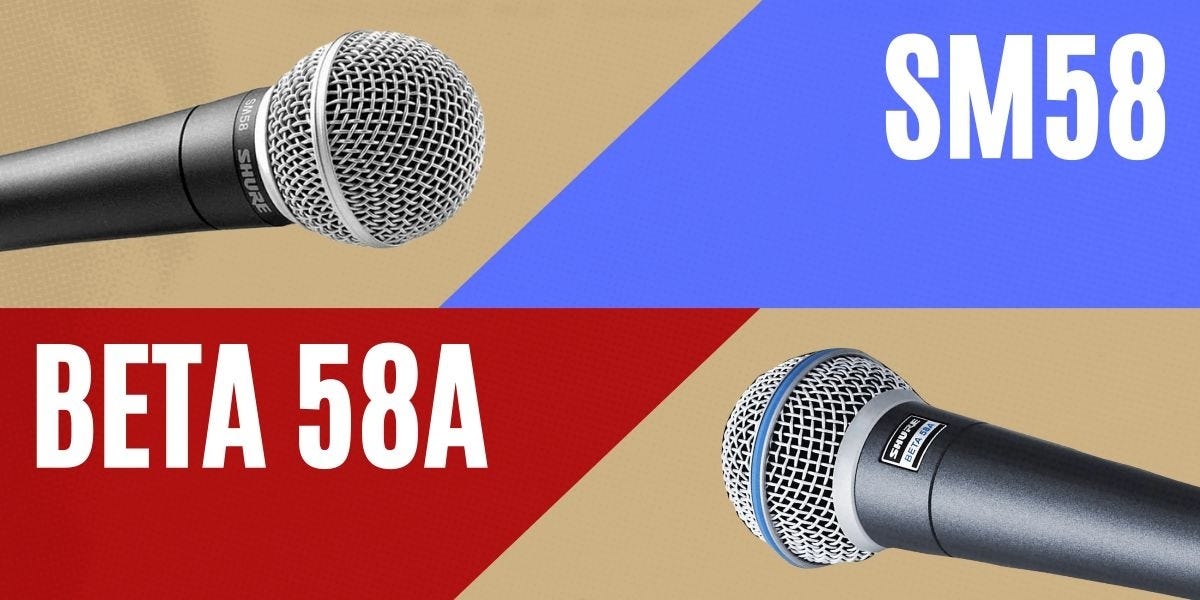
When referencing the “58,” you should know that there are actually two different models: the Shure SM58 and the Shure Beta 58A. Both very common and incredibly popular dynamic microphones.
So then… what’s the difference between the Shure SM58 vs. Beta 58A? I’m glad you asked!
The Shure SM58 – a True Symbol of the Stage!
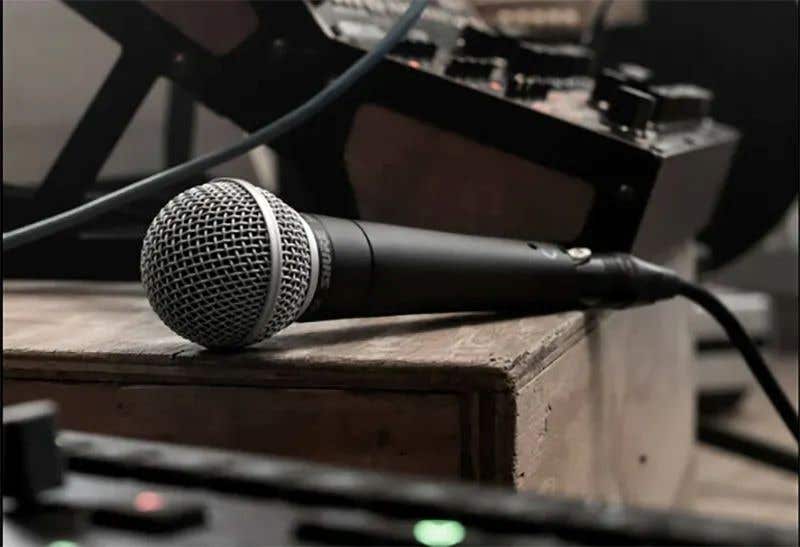
The Shure SM58 is practically the definition of the term “general-use vocal mic.” It’s versatile, comfortable, durable, and budget-friendly. If there’s any kind of live sound system in a space, it’s a solid bet there’s at least one SM58 on hand.
These dynamic cardioid microphones are ready to rock — just plug into a mixer, portable speaker, or interface, and you’re able to get up and going quickly with minimal adjustments.
This mic has been a mainstay in the music world for decades and has a very neutral sounding baseline, ready to adapt to the situation at hand.
When to use a Shure SM58
Need something that covers a lot of applications? You know, like singing vocals, storytelling, standup comedy, general PA, or basically anything where you need a bit of extra volume for announcements and presentations? An SM58 is the way to go. If I were to pick a vocal mic that does lots and lots of different things solidly, the SM58 would be on the short list.
Inexperienced performers and people who haven’t used mics often will sometimes hold them far away from their face or find themselves sagging lower and lower as their speech or song goes on. The SM58 can deal with that because it can be gain boosted or tweaked a little to accommodate a beginner or someone who is a bit nervous. They work nicely with minimal or standard stage monitoring.
When things get loud at a hard rock, metal, punk, or hip-hop show, the SM58 can handle the energy. When the vocalists “cup the mic” and get a bit rowdy with their movements on stage, you know… things that make sound engineers bite their lip with anxiety… the SM58 can also deal with those types of challenges.
While they’re primarily used in live settings, they also can be used in the studio to great effect! In a world where highly touted (and highly expensive) mics in professional studios get the lion’s share of the attention, you just might prefer at the character of an SM58 in your bedroom studio when it comes to capturing the authentic flavor of your vocals.
Are there other models of dynamic microphone that work better for certain applications? Of course. But you’re often going to be paying a lot more for them, or you’ll find that they’re bit more specialized and work best in very specific environments.
No matter where you are, the Shure SM58 is steadfast in its results.
Shure SM58 Specs:

The Shure Beta 58A – Plenty of Focus to Take the Lead!
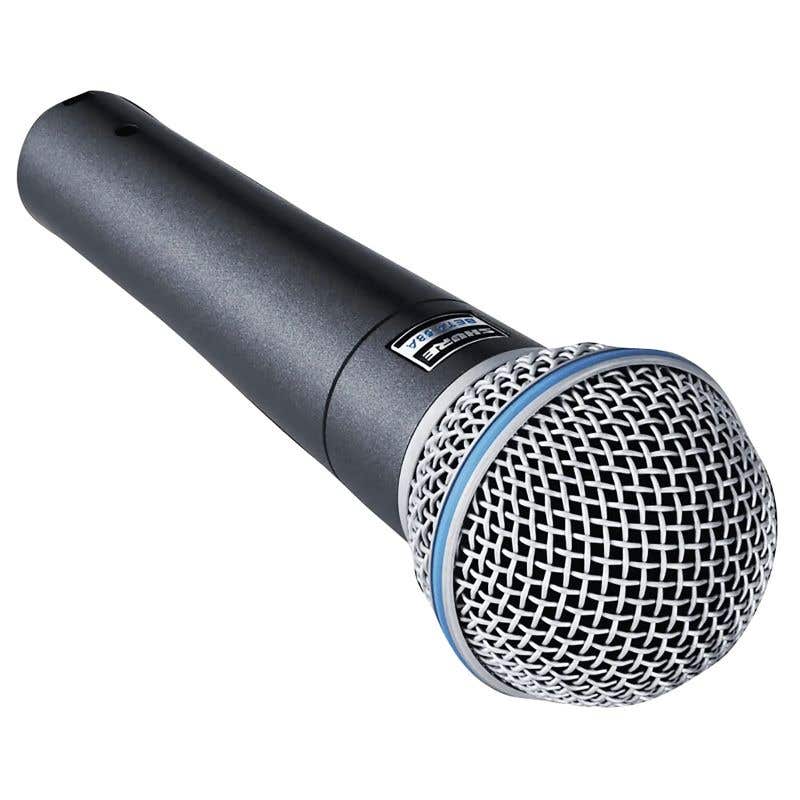
For vocals, lead vocals especially, the Shure Beta 58A is an incredibly popular choice among performers. As a sound engineer, it’s very common to see bands specifically request the Beta 58A in their riders.
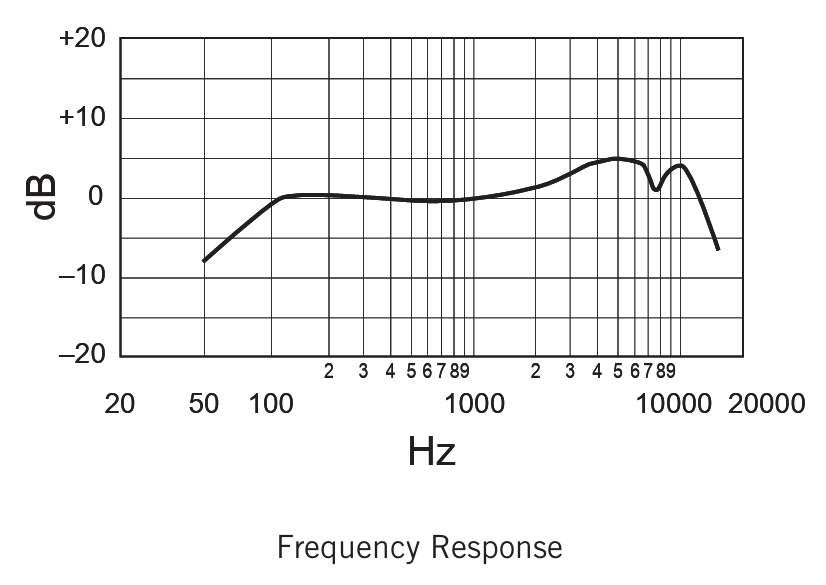
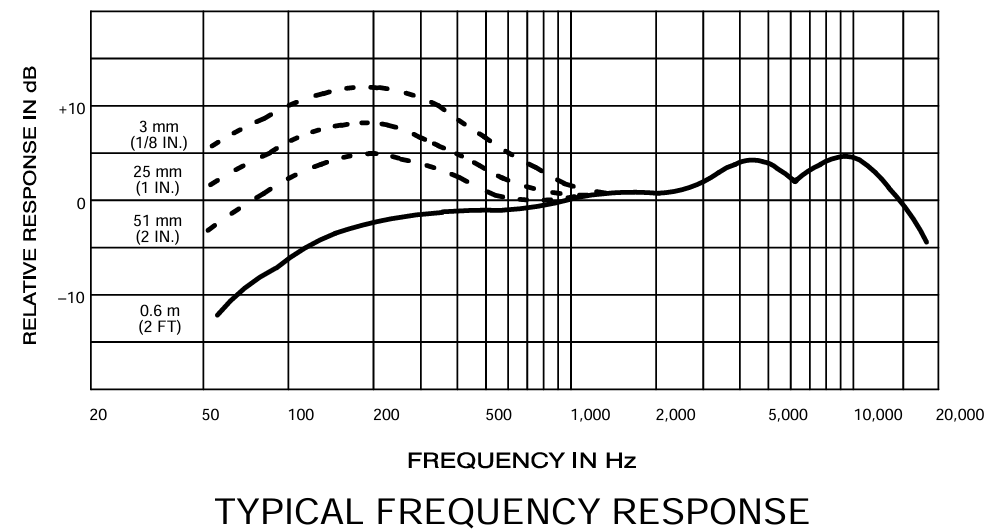
As with the SM58, the Beta 58A has that trademark Shure sound — clean, more sonically neutral, and easy to personalize either at the mixing desk or at an audio interface. In my ears, the Beta 58A is just a bit stronger in the mids and upper mids, with some extra sweeping roll-off at the low end, giving it the character of a strong lead mic.
When to choose the Shure Beta 58A
Many performers and engineers agree, myself included, that the Beta 58A is better suited to singers who are more comfortable with mic technique and generally being more “up on the mic.” The sound really comes alive with plenty of body when you have that close proximity.
If you’re a vocal frontperson of a band, a singer-songwriter, or are a venue owner/sound engineer that will be working with other seasoned performers and professionals in your establishment, the Beta 58A is a solid choice.
Just like the SM58, the Beta 58A is mostly used as a live mic but can easily make the transition to the studio as well.
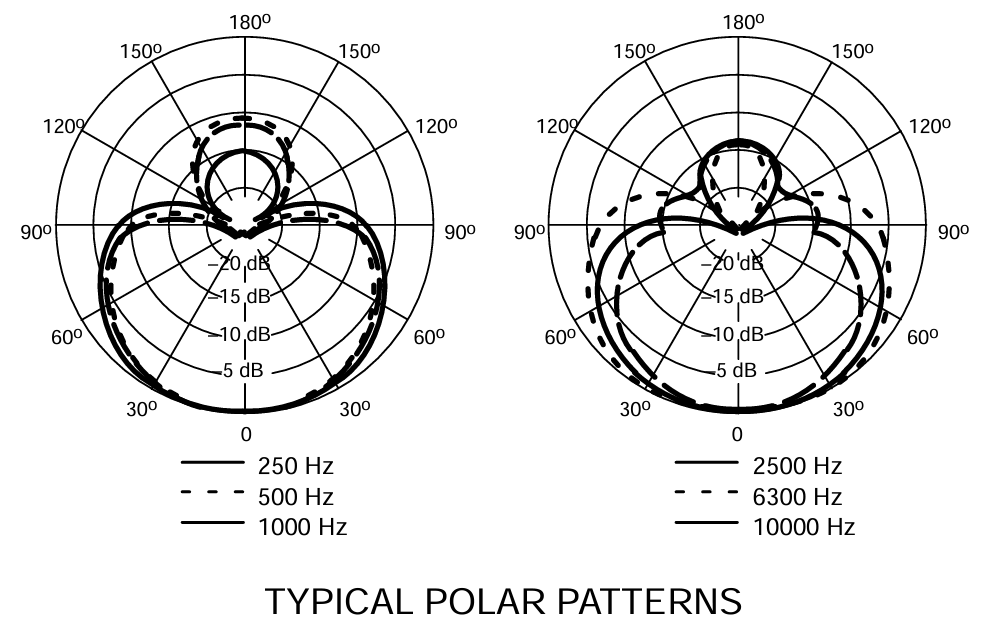
Second, the Shure Beta 58A is a supercardioid mic that fights feedback. That means it’s engineered with a polar pattern that rejects a larger amount of sound from the rear and sides, which is especially helpful when performing in a space that has multiple stage monitor speakers in close spacing.
More stage noise means an increased likelihood of feedback, and more rejection means that less of a chance of those stray frequencies make their way into the mic to create the dreaded runaway loop back to the speakers, which then goes back to the mic, which then goes back to the speakers, until… *insert horrible squeal here.* You get the picture. One listen and you’ll see just how the space can come to life when a Beta 58A is in the hands of a talented, hard-working performer.
Shure Beta 58A Specs
Shure SM58 vs Beta 58A: A Great Addition for Any Collection, I’m S(h)ure of It!
If different mics represent different flavors of ice cream, then the Shure SM58 would be the standard Vanilla (straightforward, comfortably predictable, iconic), and the Shure Beta 58A would be the Vanilla Bean (similar characteristics but with a little twist, stronger and more concentrated) of vocal dynamic microphones. And I mean that as a serious compliment – vanilla is a classic!
Steady and iconic in their sound and usage: These are the reasons that both the Shure SM58 and the Shure Beta 58A are found in mic collections everywhere! Now that you’ve gained a bit of knowledge about two of Shure’s mainstay models, and know which would be best suited for your situation, American Musical Supply is the place to buy them. With 0% interest payment plans available, you’ll be able to start or build out your mic collection with the right Shure 58!