
Bassists do a lot with sometimes just one note, so the ability to control the tone is more critical for basses compared to almost any other instrument. The term equalization refers to the ability to control the tone. How “fine-tuned” the equalization can be is the main point of this discussion. Let’s take a deeper look at Active vs. Passive bass guitars.
What Is a Passive Bass?
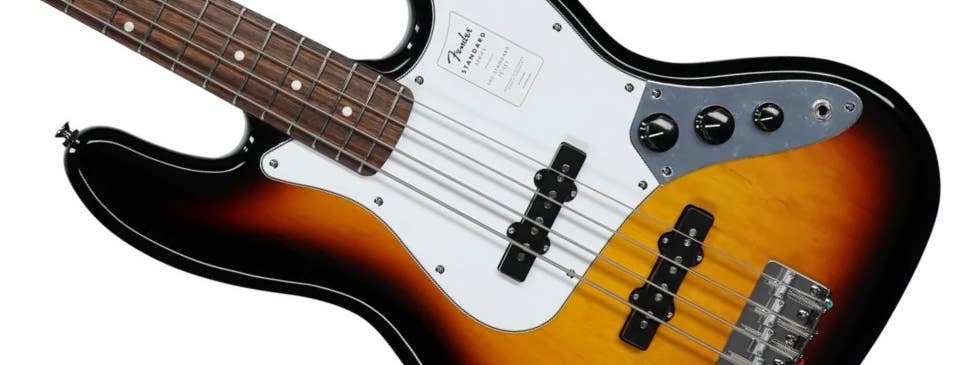
A passive bass has a simple signal path: It’s just pickups, running through some pots and capacitors, and out through the output jack. Everything is passive, meaning you don’t have to worry about batteries or external power sources.
Disclaimer: You can have active pickups in a passive bass. The “passive” part of passive bass refers to the tone-shaping abilities, not necessarily the pickups.
This is referred to as “subtractive” EQ. The only tone-shaping options you get on the bass are your volume and tone controls.
Passive Bass Pros
Since this is such a simple circuit, a passive system places very little circuitry between the players fingers and the output of the instrument. The “dynamic range” is wider and more sensitive.
- The tone is purer and sometime described as “round” or “punchy.”
- The system does not require external energy. No batteries required (except if you have active pickups).
- The cost is usually less since the circuit has less components.
- The simpler circuitry allows for an uncluttered layout of controls.
- Less components mean less potential for failures requiring service.
Passive Bass Cons
- The output is weaker overall, making long cable runs susceptible to RF (radio frequency) interference. (note: if you need to make a long cable run with a passive bass check out Radial’s SGI line driver)
- The weaker output often results in more gain being added at the amplifier, adding more noise to the resulting output.
- The subtractive EQ can only take signal away, no “boost” is available.
What Is an Active Bass?
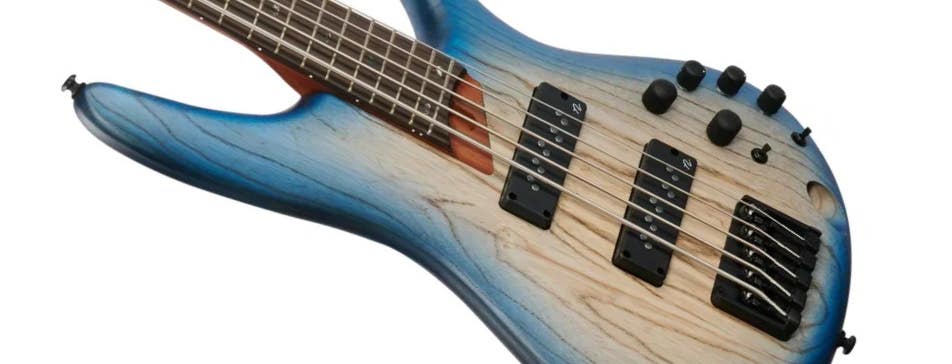
An active bass uses a battery-powered preamp/equalizer in the circuit, kind of like moving part of your bass amp into your bass for more immediate control. The preamp usually runs on a 9-volt battery, but some use two and run at 18 volts.
And just like with the passive bass, you can have passive pickups in an active bass. The "active" refers to the active preamp, not necessarily the pickups. In fact, many active basses use passive pickups.
Most active systems feature multi-band EQ which gives you separate cut and boost of lows, mids, and highs. Since a lot of the tonality lives in the mid EQ band, many active systems allow you to sweep the center of the mid EQ around to achieve the desired “sweet spot.”
Active Bass Pros
- Active systems have a higher output level, which allows for longer cable runs.
- Higher output results in less gain needed at the amp preamp stage, making for a cleaner signal.
- EQ can be more finely tuned using “boost/cut” multiband preamp.
- Tone has a little “edge” to it and cuts through busy mixes and crowded stages.
Active Bass Cons
- Battery life is limited; get used to carrying spares.
- Dynamic range is limited, especially in the soft touch side of things, some players describe as “compressed.”
- Some players do not like the slight edge described in pros as it’s a little raspy.
- Too many options can sometime be distracting. I played with guy once who spent more time adjusting his tone than he did playing music!
Which Is Best: Active vs. Passive Bass (or both!)
Broadly speaking, many players prefer a passive bass for studio work and an active system for live work. Think about it like this: In a recording studio you have access to much better preamps and finer sliced equalization than you could ever achieve inside your instrument. You also run the risk of recording more boosted EQ curves than the engineer wants for later mixing and mastering.
Conversely, in a live situation a player may like more presence and slight “edge” of an active system to help cut through a busy stage and live mix. Also live systems many times involve complicated cable runs and pedal boards, which can benefit from the stronger signal. However, most active systems use one 9-volt battery but some use two and run at 18 volts. This can sometimes be problematic with wireless transmitters.
Many active systems have a switch to defeat the preamp and run in passive mode. Sometimes it’s a tonal decision, and sometimes it’s because your battery died in the middle of a song! But be careful switching your preamp on and off as you will get a noticeable jump in gain if you switch from passive to active during a performance and probably get an upset sound engineer. Make sure you stick with the settings you used during sound check.
Popular Active and Passive Bass Brands
Any list of brands here will have to start with Fender, the pioneer of electric bass in general. Fender traditionally uses passive electronics in their iconic Jazz and Precision basses, but as you travel upward in their price point, they feature active circuits as well as switchable “hybrid” systems.
The first active systems were in extremely high-end basses by Alembic, which were cool but prohibitively expensive. Leo Fender brought active electronics to the masses in his design of the Stingray Bass when he cofounded Music Man in 1976.
Ibanez has always run strong in active systems, but they also make passive and hybrid designs.
Another pioneer in active systems is German based Warwick, coming out with their iconic “Thumb” model in 1985. Near neighbors in “euro” design ethos are Spector and Tobias.
Building in the bolt-on style of Fender, the teams at Lakland and Sadowski offer a great selection of basses — and it’s the only thing they make!
On the gentler side of price points, some great passive and hybrid/active designs are available from Squier, Jackson, Schecter, ESP, Sterling, Sire and Yamaha, to name a few.
Find Your Perfect Match: Active vs. Passive Bass
Holding down the low end is big job! Many guitarists, me included, need to have several guitars to cover the various parts we need to cover. Bass players tend more to seek “the one” instrument that they can use in many projects.
If your hunt has taken you this far, you have a pretty good idea how your workflow is and how you are spending your musical time. Our 45-day satisfaction guarantee gives you some time to try things out and see how they “sit in the mix.” If you see anything in our collection that’s appealing to you, get one of our experts on the line at 800-458-4075, and we’ll go over the details. Now get out there and play some bass!