Choosing the right electric guitar string gauges can be a process. There’s no shortage of options or opinions. But for players like me, it’s less about hype and more about what actually works for your playing style, tone goals and your hands. Here’s everything you need to know about electric guitar string gauges and how to choose the right size for your playing style.
What Are Electric Guitar String Gauges, and Why Do They Matter?
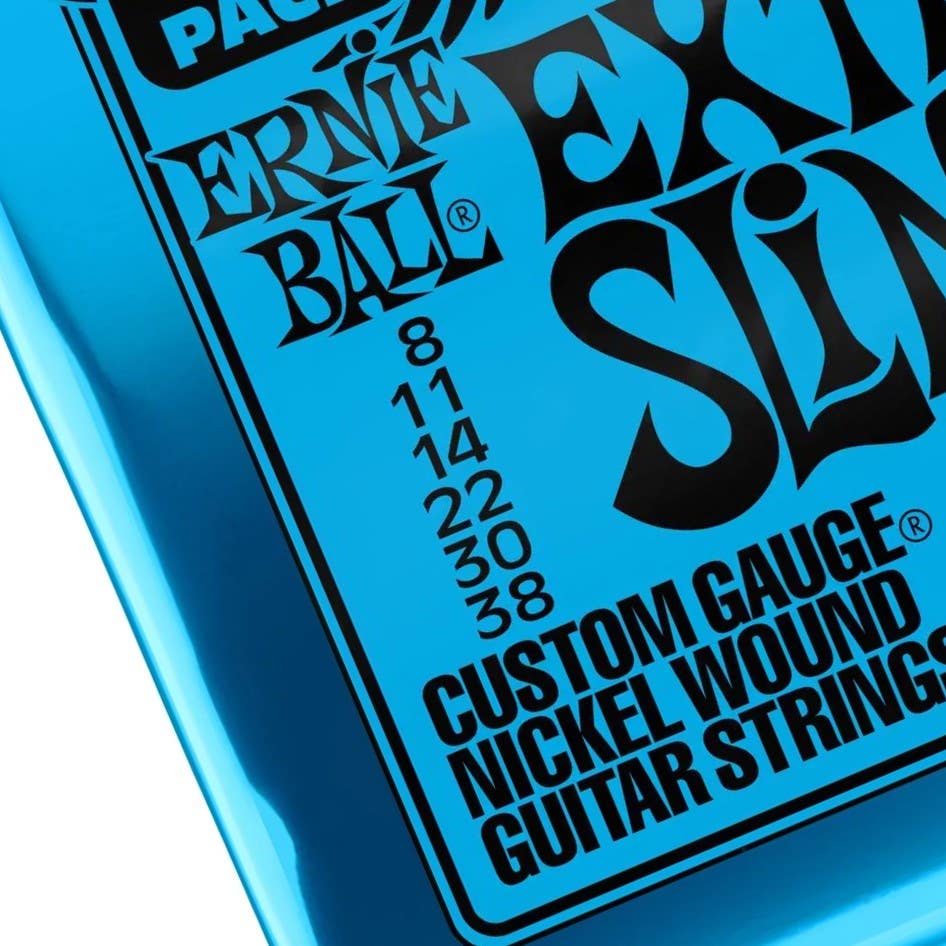
String gauge refers to the thickness of each string, usually measured in thousandths of an inch. Sets are labeled by their high string: .08, .09, .10, and so on. But you might sometimes see the entire string gauge range listed on the pack — for example, .10-.42 (.42 is the low-E string).
The gauge you choose affects tone, playability, and feel.
- Heavier gauges give you slightly thicker tone and more tension. They work well for rhythm playing and down-tuning.
- Lighter gauges are easier to fret, bend, and vibrato. They’re great for lead playing and easier on your hands.
The most common electric guitar string gauge is either a .09 or .10. Of course, you can go all the way down to .07 or up to .13 if it suits your playing style.
You’ll also find hybrid string packs, which might have light high strings and heavy low strings, vice versa, or really anything in between. There are tons of different string gauges and packs out there!
Matching Guitar String Gauge to Style
Not sure where to start with all those electric guitar string gauge options? Well, sometimes the best place to start is where you want to finish. What kind of music do you want to play? There are some "standards" when it comes to string gauge and genre or playing style:
- Shredders and lead players tend to favor lighter strings for easier bends and faster playing. Think .09s and below.
- Blues and rock players might gravitate toward medium gauges for a balance of tone, ease of play, and the ability to dig in on aggressive rhythm parts. Try starting with .10s and go from there.
- Rhythm guitarists and players who down-tune often use heavier electric guitar string gauges for low-register stability and low-end punch. Some .11s and .12s feel right at home here.
- Jazz players or anyone chasing a smoother, darker tone may lean toward flatwound strings. They’re typically heavier, have less finger noise, and deliver a more subdued, mellow sound. Flatwounds are really a beast of their own.
Pro Tip: If you’re experimenting with flatwounds, start with a semi-hollow or hollow-body guitar where they really can shine. And remember, they’re not just for jazz. Plenty of alt and indie rockers dig the smooth feel and warm tone.
If you’re playing long gigs or multiple sets like I do, comfort becomes a priority. Lighter strings can help you avoid fatigue and injury.
Not All String Gauges Are Created Equal
You can slap on two sets of .09s from different brands and they’ll feel totally different. That’s not your imagination. Brand construction, core-to-wrap ratio, and materials all factor into perceived tension.
D’Addario, for example, markets a “Balanced Tension” line of strings to address this exact issue.
Personally, I’ve found that a set of .09 NYXLs feels like it has more tension than a set of .09 Cobalts. They’re technically the same gauge but have a noticeably different feel on the fretboard.
Changing String Gauges? Check Your Neck Relief
Changing your electric guitar string gauge doesn’t just affect how it feels, it also affects your neck’s relief. Going to a lighter gauge reduces tension on the neck, which often requires adding a bit of relief. Conversely, switching to a heavier gauge increases tension, meaning you may need to reduce neck relief.
If you’re not familiar with adjusting truss rods, don’t worry; I’ve got you covered. Check out my blog on how to do it right here:
How to Do a Guitar Truss Rod Adjustment
Pro tip: If you’re not comfortable tweaking the truss rod yourself, bring your guitar to a pro for a proper setup. It’s worth it.
My String Gauge Journey
I used to be a .10s guy (I even ventured into the realm of .11s for a short time), and I swore by D’Addario NYXLs. I loved the tone and feel, and they were reliable workhorses for years. But eventually, tendinitis and recurring hand and arm pain pushed me toward lighter strings.
I went to .09s and initially stuck with NYXLs, but I started snapping high E strings frequently. That’s when I began experimenting. I tried GHS Boomers and regular Ernie Ball Slinkys. I loved the bright, punchy tone both delivered, but as a player who gigs regularly, I was only getting three or four shows out of them before the tone dropped off.
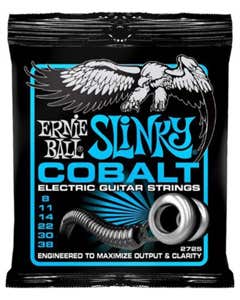
That’s when I gave Ernie Ball Cobalts a shot. I tried Cobalt, M-Steel, and Paradigm, but the Cobalts stood out for me. They gave me the bright, punchy tone I love, but with a longevity that mattered as a regular gigging musician. Eventually, I made the move to .08 gauge Cobalts, and I haven’t looked back. For the record, Billy Gibbons plays .07s — so don’t let anyone tell you you’re “cheating” by going light.

That’s when I gave Ernie Ball Cobalts a shot. I tried Cobalt, M-Steel, and Paradigm, but the Cobalts stood out for me. They gave me the bright, punchy tone I love, but with a longevity that mattered as a regular gigging musician. Eventually, I made the move to .08 gauge Cobalts, and I haven’t looked back. For the record, Billy Gibbons plays .07s — so don’t let anyone tell you you’re “cheating” by going light.
Final Thoughts: Play What Feels Right
When it comes to electric guitar string gauges, there is no one “best” gauge. What matters is how a set of strings feels and performs for you. If you’re getting hand pain or just want to shake things up a bit, don’t be afraid to go lighter or try a new brand.
Electric guitar string gauges are one of those small details that make a significant impact. Try a few sets, take notes, and settle into what works for your playing style. The right strings will make your guitar neck feel like home.